

Sleep Apnea Explained: What It Is and Why It Matters – While it’s well known that staying active and eating a nutritious, heart-friendly diet are essential for maintaining cardiovascular health, there’s another vital factor that often gets overlooked—your sleep. Recent research highlights that the quality and duration of your sleep play a significant role in supporting a healthy heart. In fact, poor sleep habits can increase the risk of high blood pressure, heart disease, and stroke, making restful sleep just as important as diet and exercise when it comes to protecting your cardiovascular system. Prioritizing good sleep hygiene can have a powerful impact on your overall heart health.
In particular, one of the most concerning aspects of sleep apnea is that when left undiagnosed, it can significantly raise the risk of developing serious cardiovascular and metabolic conditions. What makes this even more alarming is that many people are completely unaware they have it.
Sleep apnea is a widespread sleep disorder in which a person’s breathing repeatedly pauses and resumes throughout the night. These interruptions can reduce the amount of oxygen your body receives, potentially leading to serious health issues over time. Often, people with sleep apnea are unaware of these pauses, but others may notice signs such as loud snoring, choking, or gasping for air while sleeping. If someone has observed these symptoms in you, it’s important to bring them up with your healthcare provider. You should also consider discussing sleep apnea if you frequently feel excessively tired during the day, struggle to concentrate, or wake up feeling unrested, as these may be signs of disrupted sleep caused by this condition. Early diagnosis and treatment can significantly improve your quality of life and overall health.
Sleep apnea is relatively uncommon among individuals with a normal body weight, affecting roughly 3% of that population. However, the condition becomes significantly more prevalent among those who are obese, impacting more than 20% of individuals in that group. Overall, men are more likely to develop sleep apnea than women, but the risk for women increases substantially after menopause, likely due to hormonal changes that influence airway stability during sleep.

What Causes Sleep Apnea?
Sleep apnea is typically caused by physical or neurological disruptions that interfere with normal breathing patterns during sleep. These interruptions often stem from structural or functional issues within the airway.
Here’s how it happens:
- During sleep, the muscles in the throat and tongue can become too relaxed, causing them to partially block the airway and restrict airflow.
- In some cases, the soft tissues at the back of the mouth—including the soft palate, uvula, and base of the tongue—collapse inward. This can obstruct the airway completely or partially, leading to loud snoring, labored breathing, or even temporary breathing pauses.
- People who are overweight may experience sleep apnea more frequently due to excess fatty tissue surrounding the airway, which narrows the passage and increases the likelihood of blockages.
- When the airway becomes too narrow, the body continues to try to breathe, but airflow is reduced or completely blocked, making it difficult to get enough oxygen.
- In central sleep apnea, the cause is different. Instead of a physical blockage, the brain fails to send proper signals to the muscles responsible for breathing. This form is often linked to underlying neurological or cardiac conditions.
- Both obstructive and central sleep apnea disrupt the body’s ability to maintain normal breathing during rest, leading to poor sleep quality and increased health risks if left untreated.
Diagnosing and Managing Sleep Apnea for Long-Term Health
Treating sleep apnea is crucial because, while the condition may not always seem urgent, it can have serious long-term effects on your overall health.
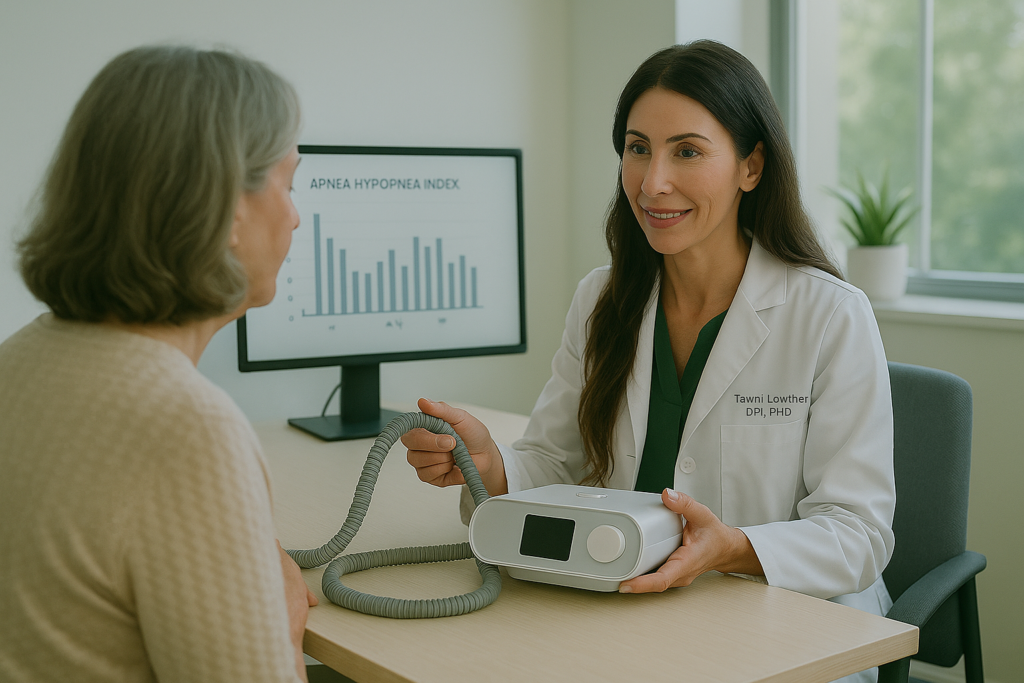
Obstructive sleep apnea (OSA), the most common form, varies in severity. Medical professionals assess the condition using a diagnostic tool called the apnea-hypopnea index (AHI), which counts how many times your breathing is interrupted or significantly slowed during each hour of sleep.

The AHI score determines the classification:
- Mild sleep apnea: 5 to 15 episodes per hour
- Moderate sleep apnea: 15 to 30 episodes per hour
- Severe sleep apnea: More than 30 episodes per hour
Whether or not treatment is necessary depends on several factors, not just the AHI score, but also the presence of symptoms like excessive daytime drowsiness and the existence of other health conditions. For instance, a patient with mild sleep apnea and no major health risks might be monitored rather than treated immediately. On the other hand, someone with a higher AHI or underlying cardiovascular concerns might be advised to begin treatment, even if they don’t feel particularly tired during the day.
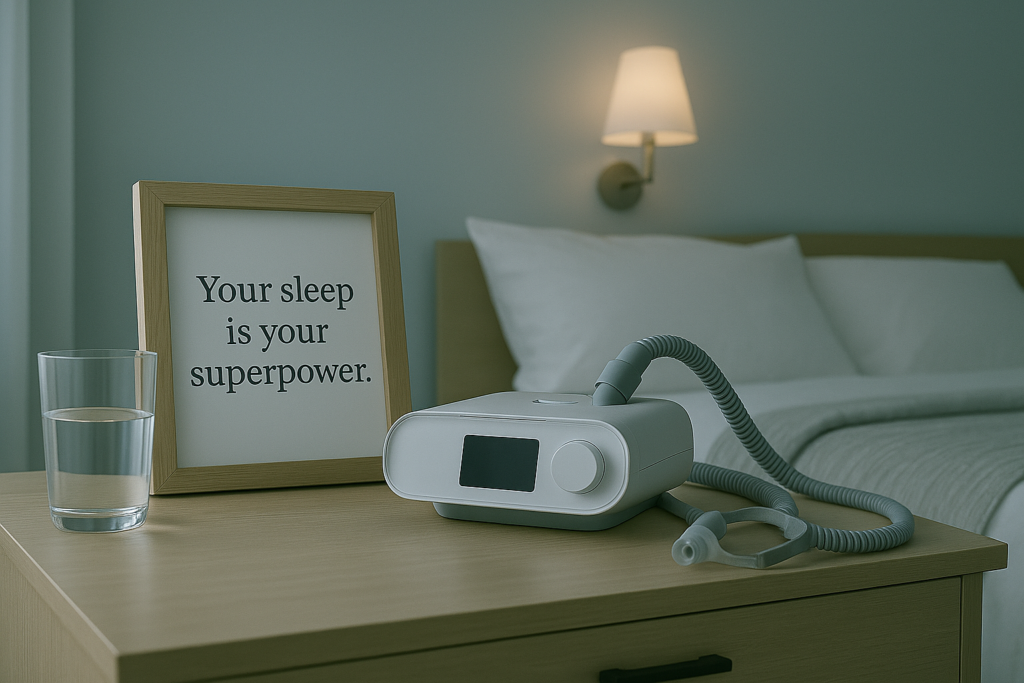
The most widely used and effective treatment for obstructive sleep apnea is a device called a CPAP—short for continuous positive airway pressure. This machine delivers a gentle stream of humidified air through a mask worn over the nose (or nose and mouth), helping to keep the airway open throughout the night and prevent the repeated pauses in breathing that characterize the condition.
In short, diagnosing and properly managing sleep apnea is not just about improving sleep quality—it’s about protecting your long-term health and preventing the kind of chronic stress on the body that can lead to serious illness.
If you suspect you or someone you know may have sleep apnea, contact your local sleep doctor or contact us on our website for a consultation.

For us, life is one breath away – Dr. Tawnie Lowther
- Connect with Dr. Tawnie Lowther
- More articles from our Executive Contributor, Dr. Tawnie Lowther
