

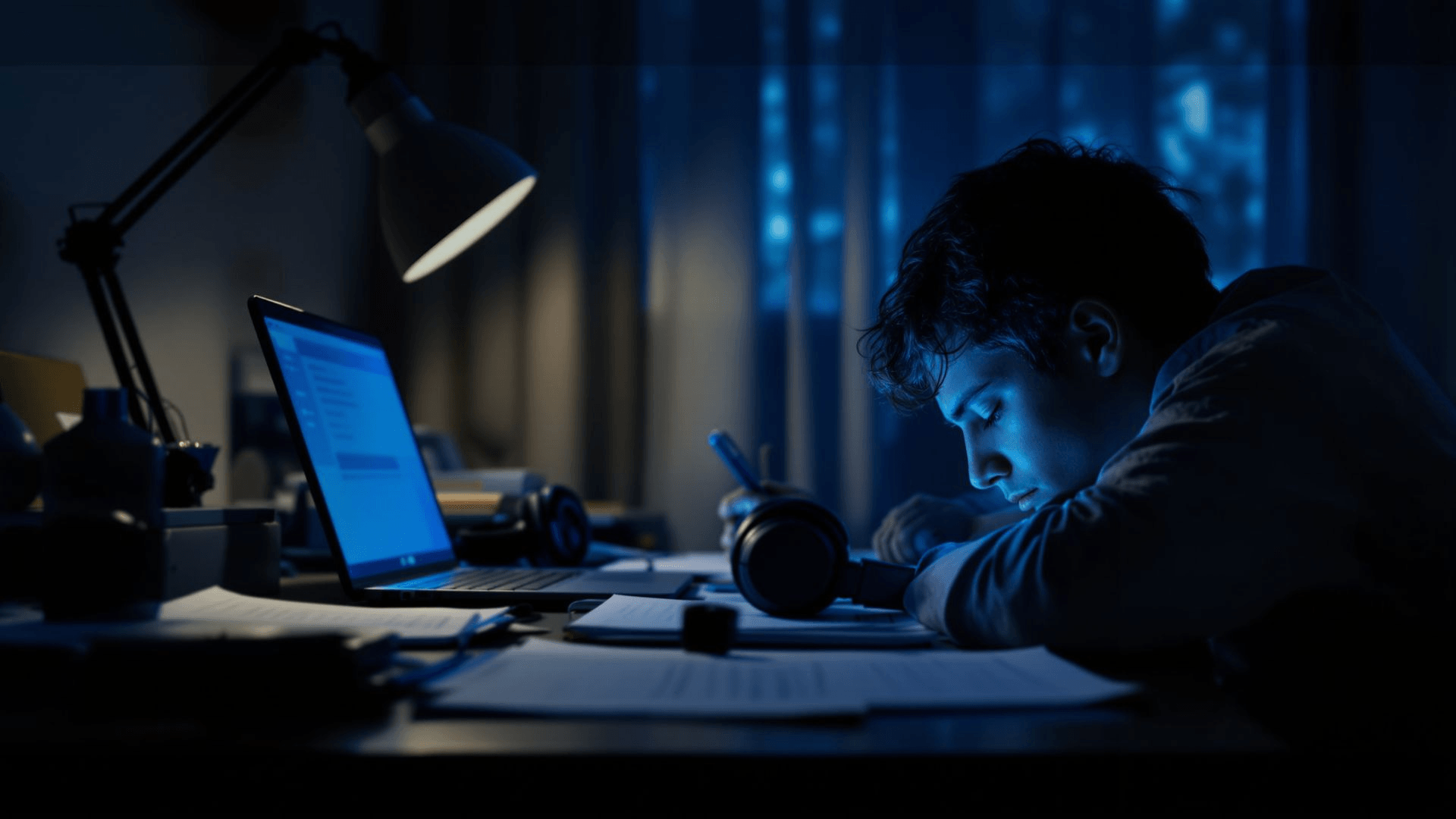
Sleep-Deprived and at Risk: The Teen Sleep Crisis- We often dismiss irritability, impulsiveness, and erratic sleep schedules as nothing more than “typical teenage behavior.” But what if much of what we label as “normal” adolescent angst is actually a warning sign of something else—chronic, significant sleep loss? While it’s true that adolescence brings huge hormonal changes and rapid brain development, the reality is that consistent lack of rest also deeply affects how teens think, feel, and behave.
Research shows that 60 to 70% of teenagers in the U.S. regularly fail to get their recommended nine hours of nightly sleep. The consequences extend far beyond being cranky in the morning. Chronic sleep deprivation influences physical health, mental stability, judgment, and even safety.
Sleep Loss and Risk of Injury
Sleep is essential for maintaining sharp reflexes, making informed decisions, and overall coordination. When teens cut corners on rest, their bodies and minds simply don’t function at full capacity. This makes them more vulnerable to injuries both on the playing field and in everyday life. Slower reaction times: Tired teens can’t respond as quickly in sports or emergencies, raising the chance of harm.
- Weakened physical performance: Athletes who sleep less are at greater risk of sprains and overuse injuries.
- Increased risk-taking: Exhaustion lowers inhibition, making reckless choices more likely.
Car accidents are one of the most alarming risks. The National Sleep Foundation estimates that drowsy driving is responsible for at least 100,000 crashes annually. In North Carolina, more than half of “fall-asleep” collisions involved drivers under 25. Letting a sleep-deprived teenager drive can be as dangerous as letting them drive after drinking alcohol.
Sleep and Self-Regulation
Beyond physical safety, insufficient sleep also compromises the brain’s ability to manage emotions and impulses. A University of Georgia study found that adolescents who slept less had weaker connectivity between brain regions linked to decision-making and self-control. These disruptions mirror patterns seen in mental health conditions like ADHD, depression, and schizophrenia.
The study, which tracked more than 2,800 young people using Fitbits and MRIs, found that teens who slept poorly were more likely to show aggression, act out, or struggle with impulse control. Boys and minority youth were especially vulnerable, both to shorter sleep durations and higher levels of behavioral problems.
Substance Use and Dangerous Choices
Exhausted teenagers often turn to unhealthy coping mechanisms. Studies led by Dr. Mary Carskadon reveal that sleep-deprived adolescents are more likely to use caffeine, nicotine, and even alcohol to manage fatigue and mood swings. This reliance on stimulants and self-medication can set the stage for long-term health risks.
Poor sleep also correlates with reckless decision-making, from risky sexual behavior to dangerous driving. A personal story illustrates this point: college student Carolyn Capputo admitted to driving while severely sleep-deprived, even after she had already dozed off at the wheel. Though she avoided tragedy, her experience highlights the impaired judgment that comes with inadequate rest.
Sleep and Emotional Health
For some teenagers, occasional all-nighters or short sleep weeks may not cause lasting harm. But many others are not so resilient. In a 2006 National Sleep Foundation survey of more than 1,600 teens, over half reported feeling stressed or anxious, and many admitted to experiencing hopelessness about the future.
The less sleep adolescents got, the more frequently they displayed depressive symptoms. Worse, depression itself makes it harder to fall and stay asleep, creating a damaging cycle of fatigue and emotional distress.
Sleep deprivation fuels:
- Increased irritability and anxiety
- Poor emotional regulation
- Heightened stress responses
- Greater impulsivity and emotional volatility
- Adequate rest, on the other hand, allows the brain to process emotions, regulate stress hormones, and maintain healthier cognitive and emotional balance.
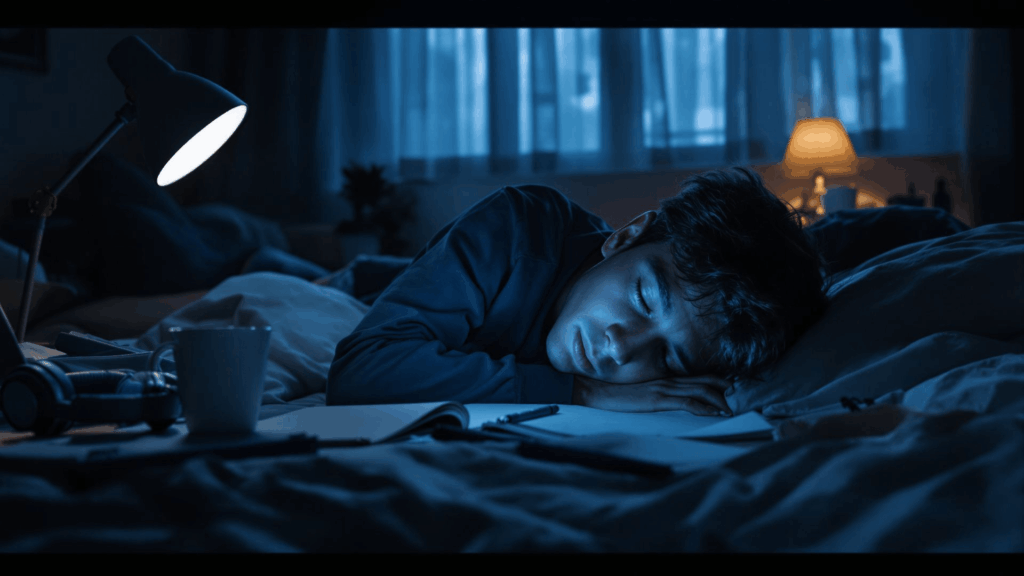
Sleep Loss and Mental Illness:
Since many psychiatric conditions first appear during the teen years, researchers worry that ongoing sleep deprivation may act as a catalyst for more serious mental health issues. For adolescents already predisposed to depression or anxiety, lack of sleep could push symptoms into full-blown illness.
Steps Toward Better Sleep
Although the obstacles are real—academic demands, extracurriculars, social media, and shifting biological rhythms—teens can take concrete steps to improve sleep quality: Keep a consistent schedule: Aim for the same bedtime and wake time daily, varying by no more than an hour.
- Limit weekend catch-up: Sleeping in disrupts circadian rhythms and makes falling asleep on Sunday nights harder.
- Take short naps: A 15–20 minute nap in the early afternoon can boost alertness without ruining bedtime.
- Get morning sunlight: Exposure to natural light helps regulate the body’s internal clock.
- Stay active: Regular exercise supports deeper sleep but should be avoided in the few hours before bed.
- Create a sleep-friendly bedroom: Keep it cool, dark, and quiet. Avoid using the bed for anything other than sleep.
- Wind down before bed: Spend 30–60 minutes doing calming activities like reading or listening to music.
Avoid stimulants:
- Skip caffeine in the late afternoon and evening.
- Say no to alcohol and nicotine: Both interfere with restorative sleep cycles.
- Don’t drive drowsy: Teens are at especially high risk of nodding off behind the wheel.
The Bottom Line
Sleep loss in teenagers is not simply a phase to be shrugged off. The patterns of moodiness, recklessness, or constant fatigue are often signals of a deeper issue: chronic sleep deprivation. Left unaddressed, it can compromise physical safety, emotional well-being, and long-term mental health. Recognizing the signs—and prioritizing healthy sleep habits—can help teens protect both their present and their future.

“Sleep your way to better health”– Dr. Tawnie Lowther
- Connect with Dr. Tawnie Lowther
- More articles from our Executive Contributor, Dr. Tawnie Lowther
