

Rethinking the Stress Response: Fight, Flight, Freeze & Freakout – Alright, we all know about fight, flight, or freeze when things get stressful, right? The classic stress reactions when you’re in danger (or perceived danger): fight, flight, and freeze. Those kicks of adrenaline help us deal with danger or even just tough situations or upsets, whether it’s a life-threatening event or an emotional confrontation.
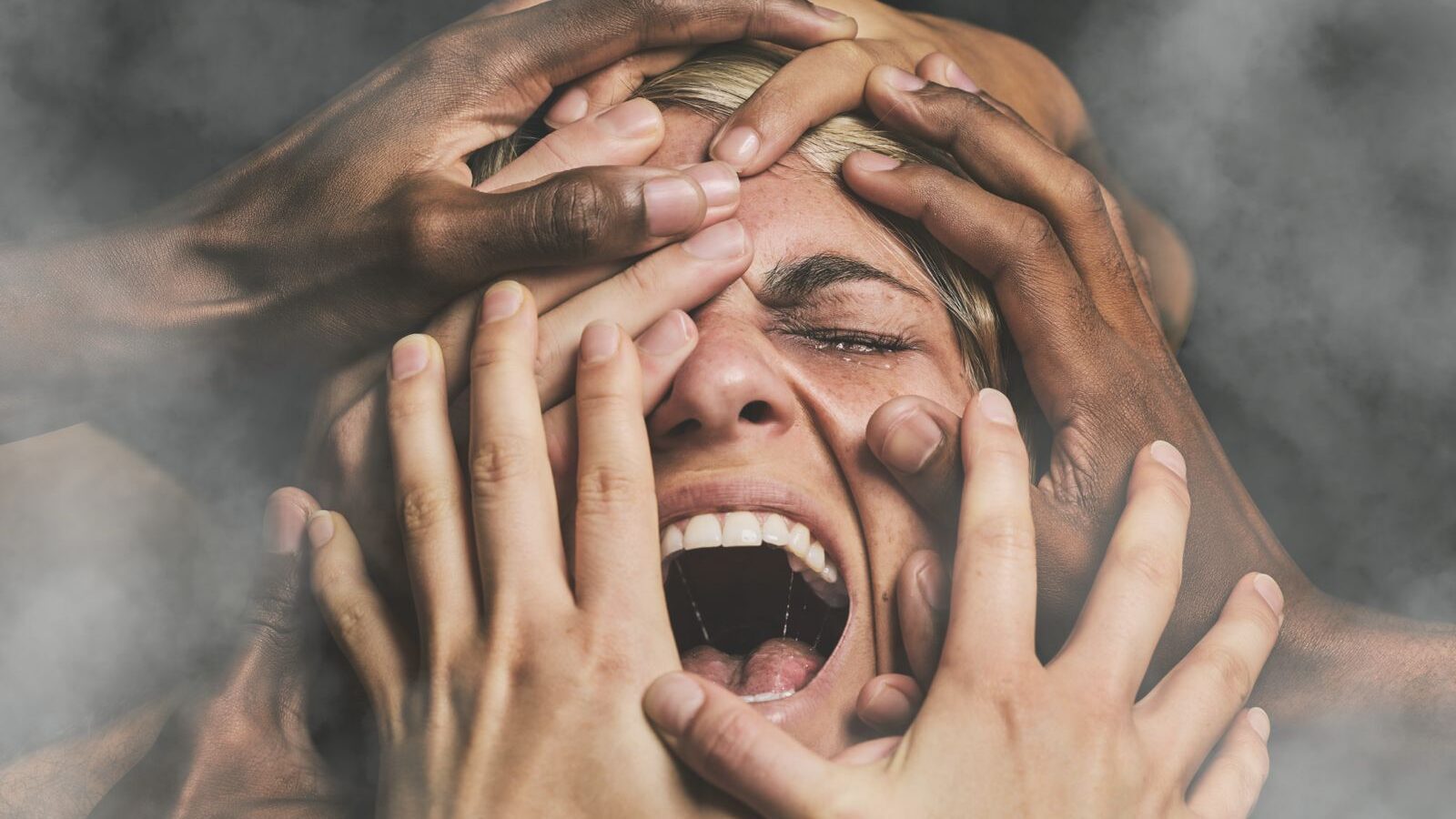
But there’s another response that often gets overlooked—one that blends elements of all three and amplifies them: freakout. It’s kind of like all the others mixed together, just way, way more intense.
A freakout isn’t just panic. It’s an escalated, sometimes erratic response that can manifest through extreme emotional outbursts, impulsive decisions, or even chaotic attempts to fight, flee, or freeze all at once. And it rarely allows us to use the most effective part of our brain or our problem-solving abilities. In fact, it kind of makes everything much worse!
Let’s break down how each of these responses works, where freakout fits in, and why understanding them can help us better manage stress and anxiety. If we don’t take charge of our adrenal reactions, they will take charge OF US!

The Big Three: Fight, Flight, and Freeze
1. Fight: The Warrior Response
When faced with a threat, some people instinctively go into combat mode. This response is powered by adrenaline and prepares the body to confront the danger head-on and fight whatever is putting us in danger.
How It Shows Up:
- Lashing out in arguments or conflicts
- Becoming aggressive or defensive
- Feeling an overwhelming need to control the situation
- Physical tension, clenched fists, or a raised voice
Why It Happens:
If someone grew up in an environment where standing up for themselves was necessary for survival, fight mode can become their default reaction when faced with big or little upsets.
2. Flight: The Escape Plan
For some, the best way to deal with danger is to get the heck outta dodge. Flight mode pushes people to avoid, escape, or run away from stressors. This can include endless scrolling on social media, binge-watching TV, or overeating, or any number of ways to avoid feeling.
How It Shows Up:
- Avoiding confrontation or difficult conversations with the people in your life
- Leaving relationships or jobs at the first sign of trouble
- Distracting yourself with work, exercise, or even dating or relationships to avoid dealing with discomfort
- Feeling the urge to physically leave a space when stressed
Why It Happens:
When running away provided a sense of safety in the past, it became a learned coping mechanism. This can even be withdrawing into yourself or shutting everything and everyone else down.
3. Freeze: The Shutdown Response
Sometimes, the brain decides that the best option is to do absolutely nothing. This response causes a person to become paralyzed—mentally, emotionally, or even physically.
How It Shows Up:
- Feeling stuck or unable to make decisions
- Zoning out or dissociating under stress
- Becoming unresponsive or shutting down in conflict
- Experiencing brain fog or forgetfulness
Why It Happens:
If a person grew up in situations where neither fighting nor fleeing was possible, their brain may have learned that freezing was the safest option. It’s a helpless feeling, and I see clients with this response can most often veer into panic or anxiety, not knowing what to do with the feelings.

4. The Fourth Response: Freakout
Where does freakout fit into this equation?
Freakout isn’t a separate category—it’s a heightened or exaggerated version of the other three. It happens when the nervous system is overwhelmed and doesn’t know which response to settle into. As a result, it rapidly shifts between fight, flight, and freeze, or amplifies one of them to the extreme, searching for a solution and a way to release the adrenaline.
How It Shows Up:
- Fight freakout: Explosive anger, emotional meltdowns, or aggressive panic
- Flight freakout: Desperately trying to escape, feeling trapped, or making impulsive decisions
- Freeze freakout: Feeling paralyzed but internally panicked, stuck in a state of high anxiety
Rapidly switching between all three, creating a sense of internal chaos
Why This Matters
Understanding these responses can help us recognize what our nervous system is doing and take steps to regulate it. Instead of feeling out of control, we can identify the pattern and take action to calm ourselves.
How to Manage a Stress Response
- Pause and Identify: Ask yourself, “Am I in fight, flight, freeze, or freakout?”
- Grounding Techniques: Deep breathing, movement, or sensory activities (holding an object, listening to calming music) can help reset the nervous system.
- Self-Kindness/Empathy: Acknowledge these responses are not weaknesses—they are survival strategies your brain has developed.
- Seek Support: Therapy, mindfulness practices, or nervous system regulation exercises can help retrain these responses.

By bringing awareness to fight, flight, freeze, and freakout, we gain the power to navigate stress in a healthier way. Instead of being at the mercy of our nervous system, we can start working with it. Our nervous systems seek homeostasis, or balance, and will do many things to get there. If you need help navigating your system, please reach out!
You’ve got this!
BOOK YOUR ACTIVATION SESSION TODAY, AND RELEASE SOMETHING THAT HOLD YOU BACK!

- Connect with Theresa Byrne
- More articles are available from our VIP Executive Contributor, Theresa Byrne