

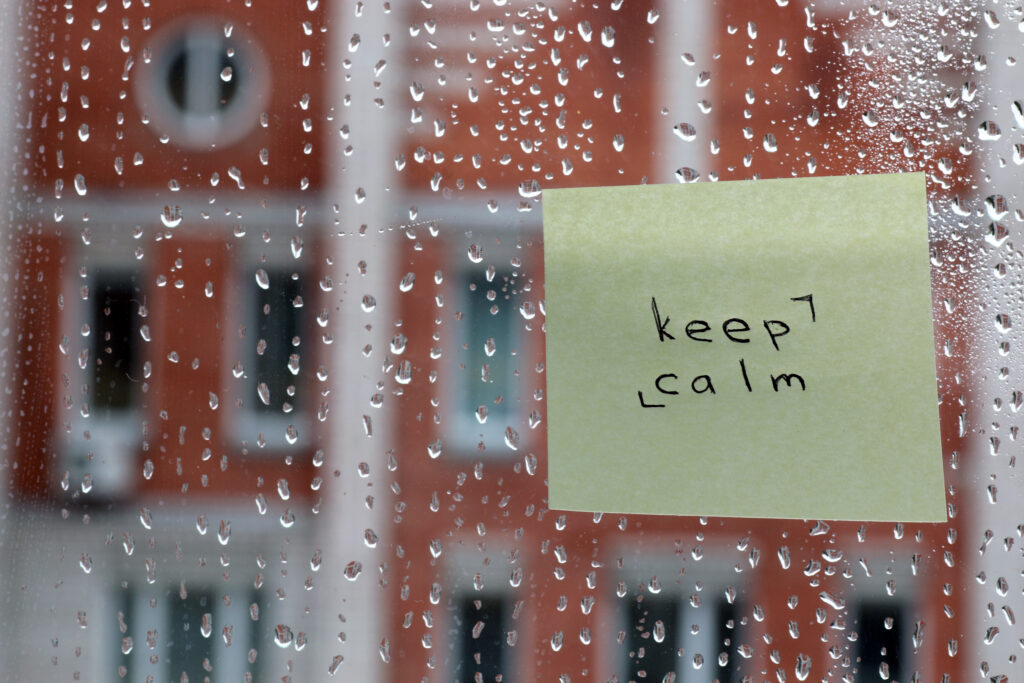
When Words Become Medicine: Depression Awareness and the Quiet Power of Civility
Every October, mental health advocates mark Depression Awareness Month: a time set aside to talk openly about a condition that touches nearly every family, friendship, and workplace, yet still hides behind silence more often than it should. Depression is not just sadness. It is a persistent, often invisible weight that can dull color from a person’s days, slow their thinking, and make ordinary tasks such as answering a text, getting out of bed, or sitting through dinner feel like climbing a mountain in fog.
What gets less attention is what happens between people when one of them is depressed. Relationships rarely break because someone is struggling. They break because of how everyone involved, including the struggling person and the people who love them, communicates under that strain. This is where civility, an old-fashioned word for a timeless practice, becomes more than etiquette. It becomes a form of care.
The Relational Face of Depression
Depression doesn’t just live inside one person’s mind; it ripples outward. A partner may withdraw from conversation, not because they have stopped caring, but because their internal world has gone quiet in a way that makes connection feel impossible. A friend may repeatedly cancel plans, leaving the other person feeling confused, rejected, or even resentful. A family member may snap at small things; the irritability of exhaustion masquerades as anger.
On the other side, the people surrounding someone with depression often feel helpless. They may say the wrong thing — “just think positive,” “you have so much to be grateful for” — not out of cruelty, but because they don’t know what else to offer. Some grow frustrated when support doesn’t seem to “work.” Others quietly pull away, afraid of saying anything at all.
This is the exact terrain where civility matters most: not the polished, surface-level politeness of small talk, but the deeper discipline of treating another person with dignity even when you are tired, frightened, or hurting yourself.
Civility Is Not Silence
It is worth clearing up a misconception: civility does not mean avoiding hard conversations or pretending everything is fine. Relationship researchers have long identified specific communication patterns that erode connection over time, such as contempt, criticism, defensiveness, and stonewalling. Depression can make all four more likely to surface on both sides of a relationship. The depressed person may default to defensiveness or withdrawal; the supporting partner may slide into criticism or quiet contempt born of exhaustion.
Civility interrupts that cycle. It looks like naming a problem without attacking the person attached to it. It looks like saying, “I’ve noticed that you’ve seemed distant, and I miss you,” instead of, “You never talk to me anymore.” It looks like a depressed person telling a partner, “I’m not pulling away because of you, but my mind is just too loud right now,” rather than letting silence do the talking and leaving loved ones to invent their own, often harsher, explanations.

Practical Ground Rules for Civil Connection
A few principles tend to hold up well in real relationships touched by depression:
Curiosity before conclusions. Before assuming that someone’s mood is about you, ask. Before assuming a loved one understands what you’re going through, explain it as best you can. Most relational damage during depressive episodes comes from unspoken assumptions filling in the gaps.
Boundaries stated kindly are still boundaries. A depressed person has every right to say, “I don’t have the energy to talk about that tonight, but I do want to.” A supporting partner has every right to say, “I want to help, but I also need to take care of myself.” Civility doesn’t mean limitless availability; it means delivering limits without contempt.
Repair matters more than perfection. Everyone will misstep: an impatient comment or a withdrawal that feels like rejection. What restores trust isn’t avoiding all mistakes; it’s circling back afterward with something as simple as, “I was short with you earlier, and I’m sorry. That wasn’t about you.”
Professional support is not a failure of the relationship. Sometimes, the most loving and civil thing one person can do for another is gently encourage, but not demand, that they speak with a therapist or doctor. Relationships can hold a great deal, but they were never meant to substitute for clinical care.
A Simple Way to Remember It
For those navigating depression, whether it’s their own or a loved one’s, and who are trying to keep civility alive in the process, the acronym C.A.L.M. offers a useful anchor:
C — Check in, don’t check out. Stay present even when it is uncomfortable.
A — Avoid contempt and criticism. Address behavior, not character.
L — Listen more than you advise. Understanding comes before solutions.
M — Make space for professional help. Encourage it without judgment or pressure.
Depression Awareness Month is, at its heart, an invitation to talk about something that thrives in silence. Civility is the bridge that makes those conversations possible: not because it makes pain disappear, but because it ensures that no one must carry it alone.
This article discusses depression and how it can impact people’s thoughts, feelings, behaviors, and relationships. If you or someone you know is struggling, consider reaching out to a licensed mental health professional or a local support line for guidance. For more information, you can also follow up with the National Association on Mental Illness (https://www.nami.org/ ) or the Depression and Bipolar Support Alliance (https://www.dbsalliance.org/)
John M. O’Brien, Ph.D., is a psychologist based in Portland, Maine, and the author of “Rudeness Rehab: Reclaiming Civility in the Workplace and Your Home Space.” A nationally recognized speaker, coach, and trainer, John helps organizations and individuals strengthen communication, resilience, and respectful connection in stressful times. His work blends psychology, empathy, and humor to guide people toward greater well-being at work, at home, and in everyday life.

“Depression doesn’t just live inside one person’s mind; it ripples outward.”
— John M. O’Brien, Ph.D.
- Connect with Dr. John M. O’Brien
- Visit Rudeness Rehab to learn more.
- Read more articles from our VIP Executive Contributor, Dr. John M. O’Brien
Photo Credits: iStock – alexkich, iStock – LeoPatrizi
