

When Your Own Home Becomes Enemy Territory—And Silence Becomes a Weapon
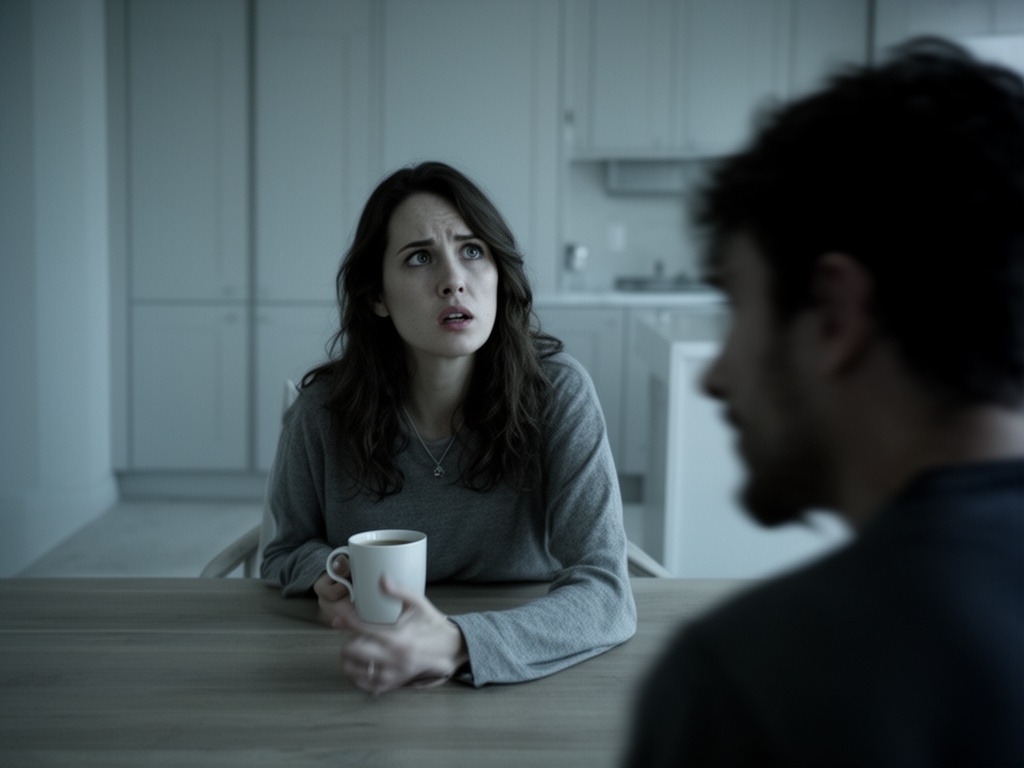
Episode 5: “Walking on Eggshells”: When Your Own Home Becomes Enemy Territory—And Silence Becomes a Weapon
This article is part of a 12-episode series adapted from the book “The Chameleon’s Game: When Love Becomes Manipulation” by Katarzyna Dodd. Each episode reveals another layer of a decade-long relationship with a covert narcissist, combining real-life experiences with psychological insights to help women recognize and escape similar patterns.
WHEN CAUTION BECOMES YOUR DEFAULT MODE
After that explosive rage in the forest house, something fundamental shifted inside me. Not dramatically—more like a door quietly closing. Constant vigilance mode activated.
From that moment on, I monitored everything. My words. My tone. My timing. Which topics were safe and which were landmines. I became a student of his moods.
Tense from work? Stay quiet. Injury flaring? Prepare for iciness. Irritable this morning? Avoid meaningful conversations. This wasn’t a choice. It was getting by.
THE NEW NORMAL: WHEN COFFEE BECOMES COMBAT
Here’s what walking on eggshells actually looked like in daily life.
I’ve always been an early riser—4 or 5 a.m. One of my favorite morning rituals: making coffee, climbing back into bed, and sipping it while reading or watching a show on my laptop. A simple pleasure.
In Westmont, this suddenly became a problem. He started complaining that I was “drinking it too loudly.”
Not slurping. Not making any deliberate noise. Just the sound of me swallowing coffee was apparently too much for him. He’d glare at me with that irritated look until I stopped coming back to bed with my coffee.
Winters in Westmont were freezing—no heating, just a wood stove that died overnight. It would’ve been nice to crawl under the covers with a hot cup of coffee while waiting for the house to warm up. Instead, I wrapped myself in blankets on the couch, choosing peace and quiet over triggering his displeasure.
This is how it works. One small adjustment. Then another. Then another. Each one seems manageable—it’s just coffee; it’s not the end of the world.
But it’s never about the coffee.
THE WEAPON OF SILENCE
Then came a new tactic that made rage seem almost preferable: the silent treatment.
Complete emotional shutdown. Days of icy distance. No eye contact. No conversation. Just cold, punishing silence filling the house like toxic gas.
I never knew what triggered it. A simple question. A facial expression. Sometimes, I couldn’t identify anything. The rules kept changing.
The silent treatment is psychological warfare. It says, “You don’t exist. I control when you get access to the connection.”
I’d review conversations like forensic evidence, trying to identify what I’d said “wrong.” Adjusting my behavior to avoid triggering him again. This is exactly how you shrink and become smaller.
THE INVISIBLE RULES
The worst part wasn’t the rage or even the silent treatment. It was never knowing what would trigger it.
One morning, I got up early, made coffee, and settled at the table. He emerged from the bedroom. I looked up to say “hey”—he walked right past me. Head high. Didn’t glance in my direction. As if I were invisible. He said nothing and left.
I heard the car start. He was gone for over half the day.
When he returned? Acted like nothing happened, talked normally. Not a word about how he’d treated me like I didn’t exist.

What had I done wrong? Nothing. Absolutely nothing.
It turned out that the night before I had made some gesture—a look, a movement—that he interpreted as “rejection.” Rejection demanded punishment. Didn’t matter that I couldn’t identify what I’d supposedly done.
This is the insidious brilliance: the rules are invisible and constantly changing. What’s acceptable today becomes an offense tomorrow. You can’t win because the game is rigged.
UNDERSTANDING HYPERVIGILANCE
What I was experiencing has a name: hypervigilance—the habit of constantly assessing what might go wrong.
Signs you’re living in hypervigilance:
Constantly monitoring your partner’s mood before speaking
Rehearsing conversations to avoid “triggering” them
Feeling physical tension when they’re home
Second-guessing every word, tone, and facial expression
Feeling one word away from disaster
This isn’t normal stress. This is emotional micro-torture. The brilliant cruelty: it’s never quite intense enough to destroy you completely. Just enough to keep draining you for energy.
How this differs from healthy relationships: In healthy relationships, stress creates conversation and solutions. Bad days don’t define everything.
With a narcissist, that tense state never goes away. The hypervigilance becomes your baseline because peace can shatter at any moment without warning.
WHAT SAVED ME: DAILY INNER WORK
What protected me—what kept me from losing myself completely—was systematic self-work I’d been doing for years.
I practiced EFT (Emotional Freedom Technique) daily, processed emotions as they came up, and never let tension accumulate. I had tools to release what didn’t belong to me and return to my center—immediately, on the spot.
This daily practice was my fortress. No matter how much emotional poison he poured out, I had a way to cleanse it and come back to myself.
Not everyone has this. Many empaths in narcissistic relationships lose themselves completely—stripped of friends, career, and sense of self.
But that didn’t change the reality: I was living with someone I couldn’t trust.
THE MOMENT I DIDN’T RECOGNIZE
Standing in that forest house, I told myself this was temporary. That understanding him better would help. That if I learned to navigate his sensitivities, we could find our way back.
What I didn’t know: every attempt to understand him would be used against me. Every boundary would trigger rage. Every carefully chosen word would still be “wrong.”
That walking on eggshells wasn’t a phase. It was my new life. For nine more years.
Question for reflection: Have you found yourself constantly monitoring your words, tone, and timing to avoid your partner’s reaction? Do you feel physical relief when they leave the house? Has hypervigilance become your normal?
Next episode: “The Center Holds”—The daily practices that kept me grounded when everything around me was chaos, and why inner work is your best defense.

“Uncertainty teaches attentiveness long before trust is given space to grow.”
– Katarzyna ‘Kasia’ Dodd
The Chameleon’s Game
Step into a story where nothing—and no one—is exactly what they seem. The Chameleon’s Game pulls you into a world of shifting identities, power plays, and the dangerous cost of reinvention. Kasia Dodd weaves a suspenseful, emotionally charged narrative that dares you to question how far you would go to protect your truth—or disguise it.
A novel that’s equal parts psychological intrigue and pulse-quickening drama, The Chameleon’s Game invites readers to navigate the blurred lines between authenticity and survival. Once you open the first page, you’ll find yourself caught in a game where the stakes are everything.
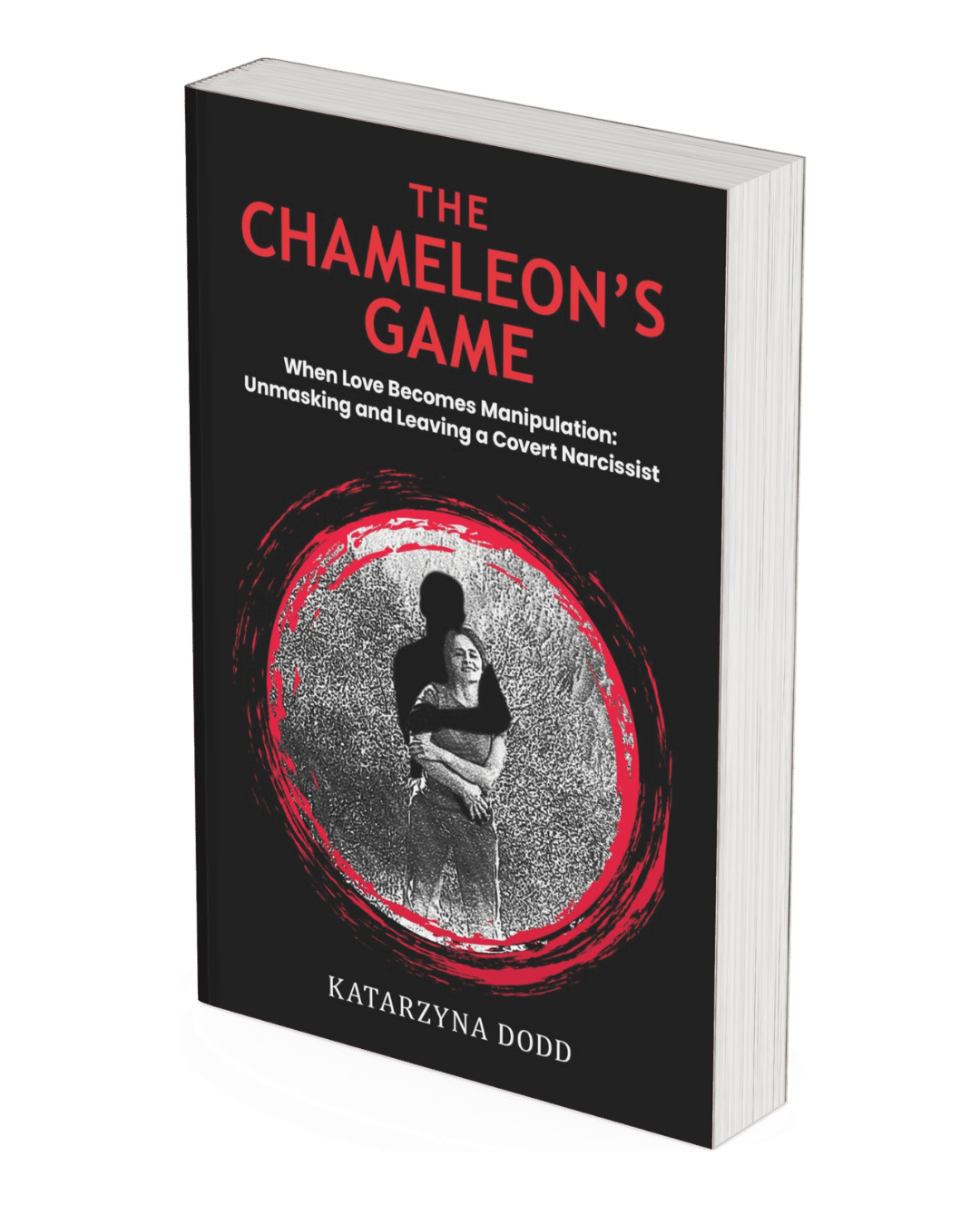
Are you ready to play the game?
Don’t just read a story—step into one. Claim your copy of
The Chameleon’s Game today and discover why everyone is talking about the book that refuses to let you go.

- Contact Katarzyna “Kasia” Dodd.
- More articles from our Executive Contributor, Kasia.