

The Comfort Trap: What Heat and Cold Can Teach Us About Longevity
Never in human history have we been more comfortable.
Convenience is built into nearly every aspect of modern life.
Yet despite all this comfort, many people have never felt more exhausted, stressed, anxious, or disconnected from their health.
What if comfort isn’t always helping us? What if some of the challenges we’ve spent decades trying to eliminate are actually essential to human health?
Stress Isn’t Always the Enemy
Most people think of stress as something to avoid.
Chronic stress certainly deserves much of its reputation – contributing to inflammation, fatigue, poor sleep, hormonal imbalances, and accelerated aging.
But not all stress is harmful.
Scientists use the term “hormesis” to describe short, controlled stressors that stimulate the body’s natural repair and adaptation mechanisms.
Exercise is a perfect example. Lifting weights creates stress and microscopic damage within muscle tissue, but the body responds by rebuilding stronger.
The same concept applies to contrast therapy. By briefly pushing the body outside its comfort zone and allowing it to recover, we encourage resilience and adaptation.
Over time, the body learns to become more efficient at handling stress.
And that ability may be one of the most important ingredients in healthy aging.
The Four Systems That Influence How We Age
Most people think about health in terms of symptoms.
Beneath many of the symptoms people experience—fatigue, poor sleep, brain fog, or reduced performance—are four foundational systems that influence how we age:
- Cellular Energy Production
- Inflammation Control
- Detoxification and Waste Removal
- Stress Adaptation
What makes contrast therapy so fascinating is that it appears to influence all four.
Why Mitochondria Matter
If you’ve spent any time exploring longevity or cellular health, you’ve heard about mitochondria. These “powerhouses” of the cell produce the energy that fuels nearly every function in the body.
As we age—and as we accumulate stress, inflammation, poor nutrition, environmental toxins, and lifestyle challenges—mitochondrial efficiency declines. The result? People begin experiencing symptoms associated with aging, such as fatigue. brain fog. slower recovery and reduced resilience.
Emerging research suggests infrared light exposure may help support mitochondrial function and cellular energy production, making infrared sauna therapy an exciting option for healthy aging and vitality.
Healthier mitochondria often mean healthier cells. Healthier cells help create healthier humans.
Reducing Oxidative Stress and Chronic Inflammation
Chronic low-grade inflammation and oxidative stress are increasingly recognized as major contributors to aging and disease, contributing to cellular damage, fatigue, and reduced resilience.
Many of the benefits associated with heat and cold exposure appear to intersect with these processes.
Heat exposure stimulates protective cellular responses, including the activation of heat shock proteins, which help protect and repair cells.
Cold exposure triggers adaptive stress-response pathways that may improve resilience and recovery.
The goal isn’t to eliminate all stress, but to improve the body’s ability to recover from it
Living in a Toxic World
Another reality of modern life is that we’re exposed to more environmental stressors than any previous generation.
Air pollution. Household chemicals. Microplastics. Pesticides. Heavy metals. Processed foods.
Supporting the body’s detoxification systems—including the liver, kidneys, lymphatic system, and skin—is an important part of preventative health. Sweating is actually one of the body’s most natural detoxification mechanisms.
Infrared sauna therapy helps the body do what it was designed to do, promoting deep sweating and supporting circulation and lymphatic flow, both of which play important roles in the body’s natural waste-removal processes.
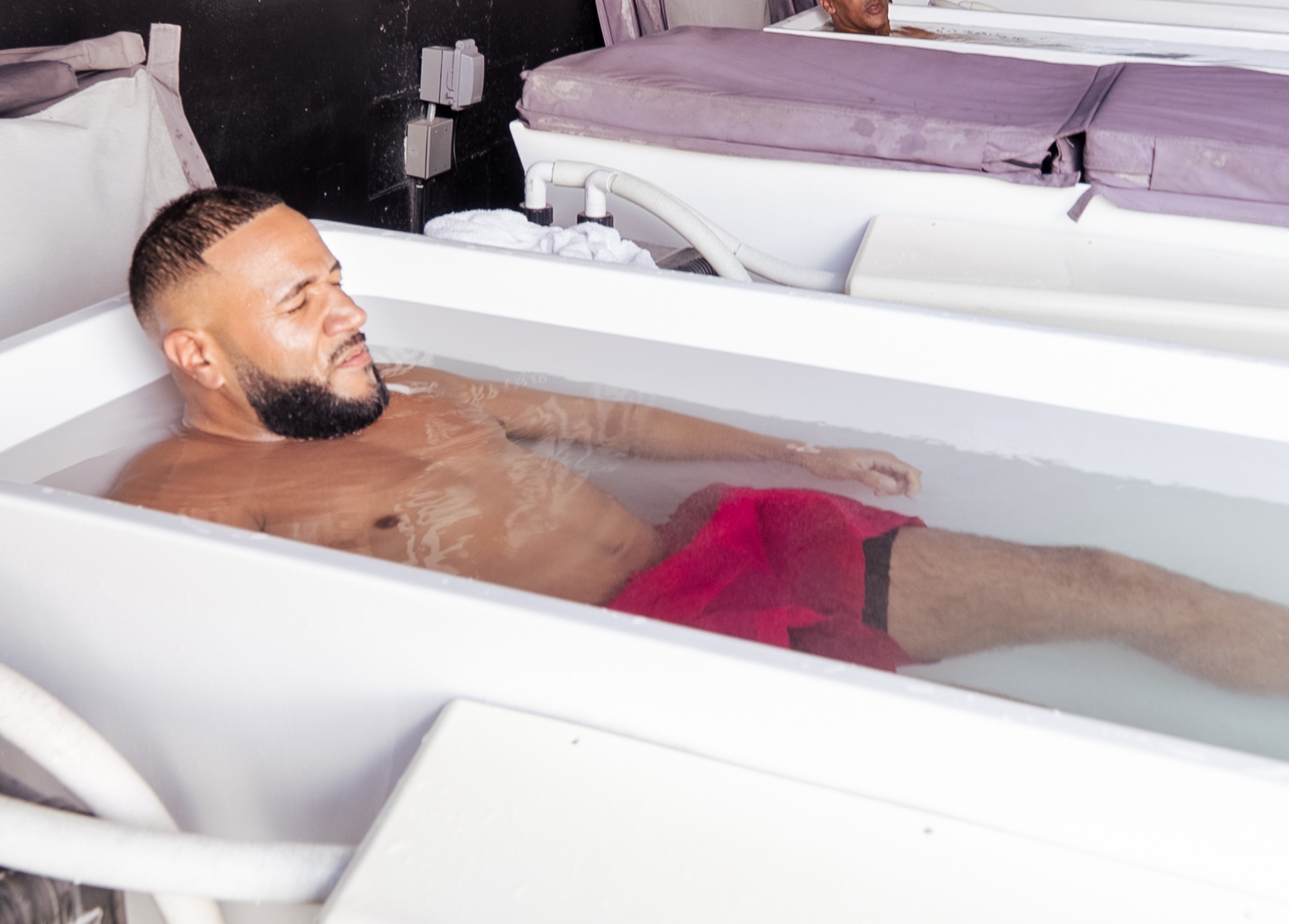
The Benefits of Cold Exposure
If heat represents recovery and relaxation, cold represents adaptation and resilience.
For centuries, cold exposure has been used to support recovery, vitality, and performance. Today, modern wellness has brought renewed attention to the science behind these practices.
Physiologically, cold exposure causes blood vessels near the skin’s surface to constrict. Heart rate changes. The nervous system activates. The body immediately goes to work maintaining its core temperature.
This controlled stress response appears to stimulate a variety of adaptive processes that may support recovery, circulation, metabolic health, and resilience.
Cold exposure has become increasingly popular for its potential to support recovery, reduce soreness, improve mental alertness, promote healthy circulation, improve mood, and increase energy.
While cold plunges are a popular means of cold exposure, in recent years, whole-body cryotherapy has become an intriguing alternative for experiencing these benefits.
Cryotherapy sessions briefly expose individuals to extremely cold temperatures—often for just two to three minutes—using chilled air rather than water immersion.
Despite the short duration, these sessions strategically expose the body to cold, stimulating beneficial adaptations that support health, performance, and longevity.
Cryotherapy is convenient and time-efficient for people with busy schedules and is a more appealing choice for those who appreciate the benefits of cold exposure but prefer a shorter, more accessible experience.

Where the Magic Happens: Contrast Therapy
While heat and cold each offer impressive benefits individually, combining them creates something entirely different.
Heat causes blood vessels to expand. Cold causes them to constrict.
Heat promotes relaxation. Cold stimulates adaptation.
The repeated shift between these states creates a sort of workout for the circulatory and nervous systems.
People frequently say they feel simultaneously energized and relaxed—a combination that sounds contradictory until you’ve experienced it yourself.
The sauna encourages recovery and relaxation. Cold exposure—whether through cryotherapy or a cold plunge—promotes alertness, resilience, and adaptation.
Together, they create a powerful balance between stimulation and restoration.
The Longevity Connection
One of the most exciting aspects of contrast therapy is its potential impact on healthy aging.
Longevity isn’t simply about living longer. It’s about maintaining physical function, mental clarity, energy, and quality of life for as many years as possible.
Wellness habits like exercise, fasting, and contrast therapy challenge the body in ways that encourage adaptation.
Rather than protecting ourselves from every challenge, we become stronger because of them.
The goal isn’t to eliminate stress from life. The goal is to build a body and mind capable of handling it more effectively.
Bringing Contrast Therapy Into Your Wellness Routine
Like any wellness practice, consistency matters more than intensity.
A simple routine may include:
15 to 30 minutes in an infrared sauna
1 to 3 minutes of cold exposure
Repeating the cycle two or three times
The most important thing isn’t how cold the water is or how hot the sauna gets.
It’s the willingness to step outside your comfort zone.
Because that’s where growth lives.
When challenged appropriately, the body adapts. When tested, it becomes stronger.
In a world increasingly designed for comfort, that may be one of the most valuable wellness lessons of all. The confidence that comes from knowing your body can handle challenges when they arise.
Maybe the future of longevity isn’t about avoiding stress altogether—maybe it’s about learning how to use the right kinds of stress to our advantage.
Disclaimer: Always consult with your healthcare provider before beginning contrast therapy, especially if you have cardiovascular conditions, blood pressure concerns, or other medical considerations.

“Your body wasn’t designed for comfort. It was designed to adapt. Growth has always lived just beyond the edge of comfort. Contrast therapy—the process of exposing your body to heat and cold in rapid succession—is a perfect example. The goal isn’t suffering for the sake of suffering. It’s teaching the body how to respond, recover, and adapt.”
– Sam Tejada
- Connect with Sam Tejada
- Visit Liquivida Telehealth to learn more.
- Read more articles from our VIP Executive Contributor, Sam Tejada
