

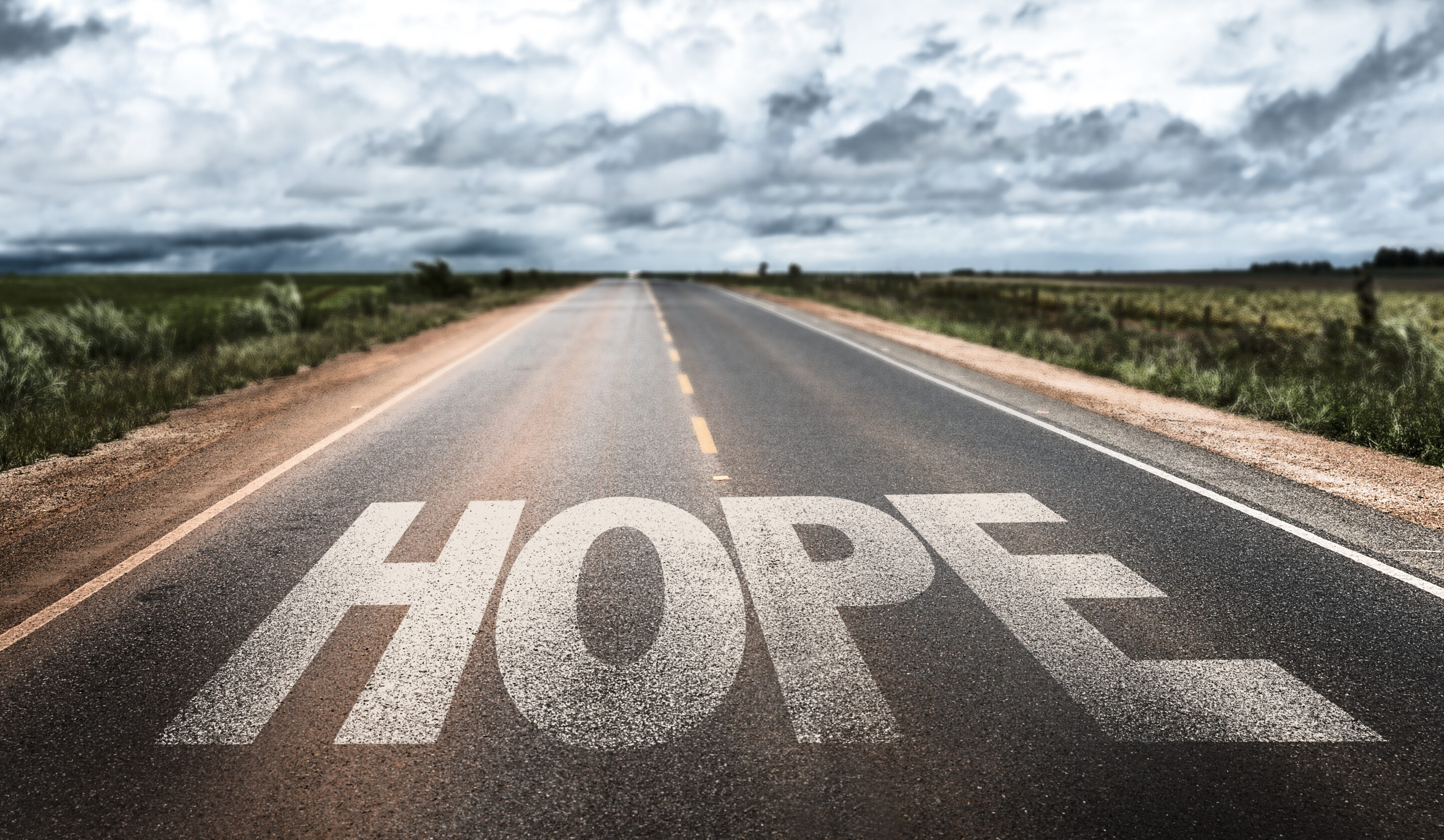
The Truth About Hope… It’s Not What You Think
When you hear the word “hope,” what comes to mind?
For many, it’s a soft, comforting word, something that belongs on a greeting card or a motivational poster. It’s often spoken in the quiet corners of despair: “I hope things get better,” or “I hope this treatment works.”
But if we look deeper, we realize that hope is far more than a wish whispered into the wind. It’s not fragile, passive, or naïve. Hope, when understood in its truest form, is an act of courage. It’s a decision. It is a quiet yet powerful declaration that affirms, “Even if I don’t know what tomorrow holds, I will still show up today.”
Hope That Stays With You
Many people hesitate to embrace hope, believing it means denying reality. But real hope isn’t about pretending everything is okay. It’s the quiet belief that something meaningful can still grow… even in the middle of uncertainty.
One guest on my podcast once shared words that have stayed with me:
“Hope doesn’t mean I expect a cure. It means I expect to live fully, no matter what happens.”
That’s the kind of hope that changes people. It’s grounded and honest. It faces the facts while still choosing to look beyond them.
Hope is not passive. It asks something of us: resilience, faith, and the courage to stay engaged in our own story. Long after illness, hope continues to move us forward. It’s what helps us begin again after loss, rebuild after heartbreak, and take the next step even when the path ahead isn’t clear.
Hope Evolves
One of the most beautiful and often misunderstood aspects of hope is that it evolves.
Sometimes, people feel guilty when their hope changes. They think that letting go of a certain outcome means they’ve given up.
Hope often looks like a desire for things to go back to how they were.
We hope for positive scans, remission, or healing. But over time, hope begins to transform.
It becomes something deeper.
It shifts from “I hope this goes away” to “I hope to find peace” or “I hope to live meaningfully in the time I have.”
As I’ve learned from the countless survivors and families I’ve spoken to, hope can even outlive the physical body. It can be found in the legacy we leave: the love, lessons, and light we share with others.
That’s the kind of hope that never fades.
Hope Is a Relationship
Hope doesn’t live in isolation. It grows through connection with ourselves, with others, and with something greater than us.
I’ve seen physicians and caregivers catch that spark. I’ve seen families who were drowning in grief find new strength because of the courage of one person who refused to give up.
In fact, studies have shown that hope can be contagious. When one person carries it, others around them begin to see new possibilities too.
That’s why community is so important. Why conversations, like the ones we have on All Talk Oncology, matter. Because when we share stories of resilience, we remind others that hope is still possible.
Hope connects us. Hope is born in those human moments, the simple, quiet exchanges that remind us, You are not alone; We’re in this together.
Hope Is a Way of Life
Hope is not a feeling that comes and goes. It’s a way of living.
It’s how we choose to show up every day, how we choose to see ourselves, and how we choose to treat others.
When you practice hope, you practice courage.
When you speak of hope, you breathe life into someone else’s story.
And when you live with hope, you become a light for those still searching for theirs.
That’s why I always remind my clients and listeners: hope doesn’t mean you won’t have hard days; it means you won’t let those days define you.
The Quiet Strength of Hope
Hope rarely roars. Most of the time, it whispers.
Hope is the quiet voice that whispers, “Try again.”
It’s the courage to breathe, to love, to trust, even when the outcome is uncertain. It’s what keeps us human. It’s what keeps us alive.
It’s found in the morning routine of someone recovering from treatment.
In the laughter shared between a patient and their caregiver.
In the resilience of someone who dares to believe that life, no matter how uncertain, still has beauty left to offer.
So the next time someone tells you to “keep hoping,” remember: hope is not waiting for something to happen. Hope is the thing happening. It’s you. It’s every step, every breath, every act of love and faith in the middle of fear.
The Real Truth About Hope
Maybe it’s time we stop treating hope as a soft, sentimental word.
Hope is a verb.
Hope is action.
Hope is courage in motion.
It’s what helps us keep our hearts open when life breaks them.
It’s what pushes us to keep believing in good, even after disappointment.
It’s what turns suffering into wisdom and endings into beginnings.
When we truly understand that, we realize that hope isn’t something we lose or find. It’s something we practice every day. Through kindness. Through perseverance. Through choosing love, even when fear feels easier.
That’s the truth about hope. It’s not what you think.
It’s not the absence of pain. It’s the presence of purpose.
And when you hold on to that, no matter where your journey takes you, you’ll find that hope was never lost. It was inside you all along.
Kenny Perkins
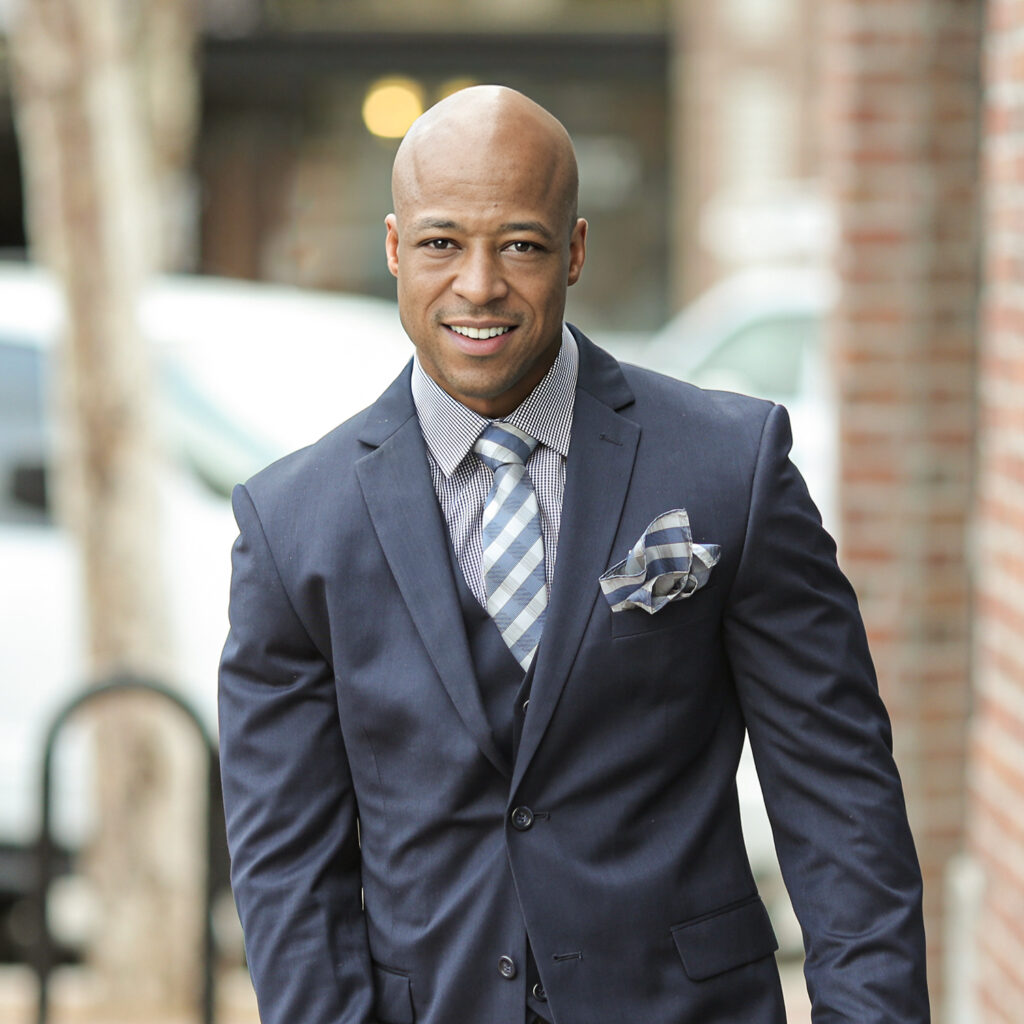
“Hope isn’t me pretending everything’s going to be okay. It’s me choosing to show up with faith, even when I don’t know how the story ends. I’ve learned that hope isn’t about a guaranteed outcome—it’s about living with purpose, loving deeply, and refusing to let fear write the final chapter.”
– Kenny Perkins.
ALL TALK ONCOLOGY
We empower cancer patients through insightful conversations that reinforce confidence and certainty about their cancer condition.

- Connect with Kenny Perkins
- More articles from our Executive Columnist, Kenny Perkins
