


When Your Child Walks Away: Healing the Silent Heartbreak of Family Estrangement
By all accounts, I should have prepared myself for emotional pain. I grew up with an alcoholic father whose abuse shaped much of my early life. Yet despite everything, I maintained some form of relationship with him for decades. Not because it was easy, but because I understood the complexity of family bonds.
So when my own son chose to distance himself from me, I was blindsided.
And not just because I’m his mother.
Because I’m also a healer.
I’ve spent my life helping people clear trauma, release emotional pain, and reconnect with themselves through the Soul Intelligence Method. I’ve supported thousands of people through grief, illness, heartbreak, and transformation. Yet nothing prepared me for the deep ache of hearing my own child say he no longer wanted contact with me.
Family estrangement has become increasingly common. Social media platforms are filled with discussions about “going no contact,” emotional boundaries, narcissistic parenting, and toxic family systems. For some people, distancing themselves from family is absolutely necessary for survival and healing. Severe abuse, addiction, manipulation, and emotional harm can create wounds that require space and protection.
But there’s another side to this conversation that isn’t talked about enough: the heartbreak of parents who genuinely love their children and suddenly find themselves shut out without understanding why.
That was my experience.
My son and I had always been close in certain seasons of life. I supported him through military service, cancer treatment, divorce, and countless difficult moments. When he was diagnosed with Stage IV testicular cancer, I sat beside him during chemotherapy treatments, brought him meals, drove him home, and prayed relentlessly for his healing. Watching your child suffer changes you forever.
Thankfully, he recovered.
Over time, though, our relationship shifted. After he remarried and became part of a blended family, I noticed him slowly pulling away—not just from me, but from his brother and grandmother as well.
Communication became sparse. Invitations were declined. The warmth that once existed seemed to disappear.
Then came the email.
He accused me of being a narcissist. He said I didn’t support his life choices. He told me he no longer wanted contact.
I sat there stunned.
As someone who has spent years teaching about empathy, emotional healing, and self-awareness, I immediately turned inward. What had I missed? What had I done wrong? I replayed memories, conversations, holidays, decisions, relationships, and parenting moments over and over in my mind.
Like many mothers, I wasn’t perfect. I divorced his father when he was young. I struggled as a single parent. I remarried too quickly at one point because survival felt overwhelming. I worked tirelessly to provide stability, education, opportunities, and love for my children while trying to heal my own wounds at the same time.
Could I have done things differently? Of course.
Every parent could answer yes to that question.
But abuse him? Intentionally harm him? Withhold love? Never.
What became clear during this painful season was something deeper: sometimes another person’s healing journey has very little to do with us.
That realization changed everything.
At first, I wanted to chase him. To explain myself. To fix it. To prove my love. To abandon my own needs and boundaries in order to regain connection.
But then I recognized an old pattern within myself: self-abandonment.
Many empaths and caregivers become so accustomed to over-giving that they lose themselves trying to save relationships. We believe that if we just love harder, explain better, or sacrifice more, we can heal another person’s pain.
But healing doesn’t work that way.
You cannot force a connection.
You cannot heal someone who has chosen distance.
And you cannot betray yourself trying to earn love.
That lesson became one of the greatest spiritual initiations of my life.
Instead of chasing him, I chose something different: unconditional love without attachment.
Every day, I energetically send him unconditional love. I picture him surrounded in pink light, held safely in compassion and peace. In my heart, I tell him, “I loved you from the moment you were born, and I will love you until your last breath.”

But I also release the need to control his path.
That’s the part many people struggle with. We confuse unconditional love with endless access. Sometimes loving someone means allowing them the dignity of their own journey—even when it hurts.
I also had to face another uncomfortable truth: not everyone will understand or support your calling.
My son does not resonate with my work, my beliefs, or my holistic approach to healing. For a while, I internalized that rejection as proof that I had failed somehow. But eventually I realized something liberating: His disagreement does not invalidate my purpose.
We are living in a time where generational patterns are rising to the surface to be healed. Abandonment wounds. Codependency. Emotional suppression. Self-sacrifice. Control. Shame. These patterns run through families for generations until someone becomes conscious enough to break them.
Sometimes the healing looks messy before it becomes whole.
And sometimes the greatest healing is learning not to abandon yourself while loving others deeply.
That is what this experience taught me.
Today, I no longer carry shame around this chapter of my life. I carry compassion—for myself, for my son, and for anyone navigating the painful complexities of family relationships.
If you are experiencing estrangement, rejection, or heartbreak within your own family, I want you to know this:
You can grieve and still heal.
You can love someone and still honor yourself.
You can release attachment without closing your heart.
Most importantly, you can stop repeating the patterns that have kept you emotionally hooked for generations.
That is the deeper work.
That is true freedom.
If this story resonates with you—if you’re carrying abandonment wounds, generational trauma, emotional pain, or patterns of self-sacrifice—it may be time for a different kind of healing.
Inside my Inner Circle program, we go beyond surface-level self-help to identify and clear the energetic and emotional patterns that keep you stuck, depleted, and emotionally reactive. Together, we work on becoming truly “unhookable”—free from the subconscious wounds that shape relationships, health, and self-worth.
You don’t have to continue repeating the same painful cycles.
Join us inside the Inner Circle and begin healing at the soul level.
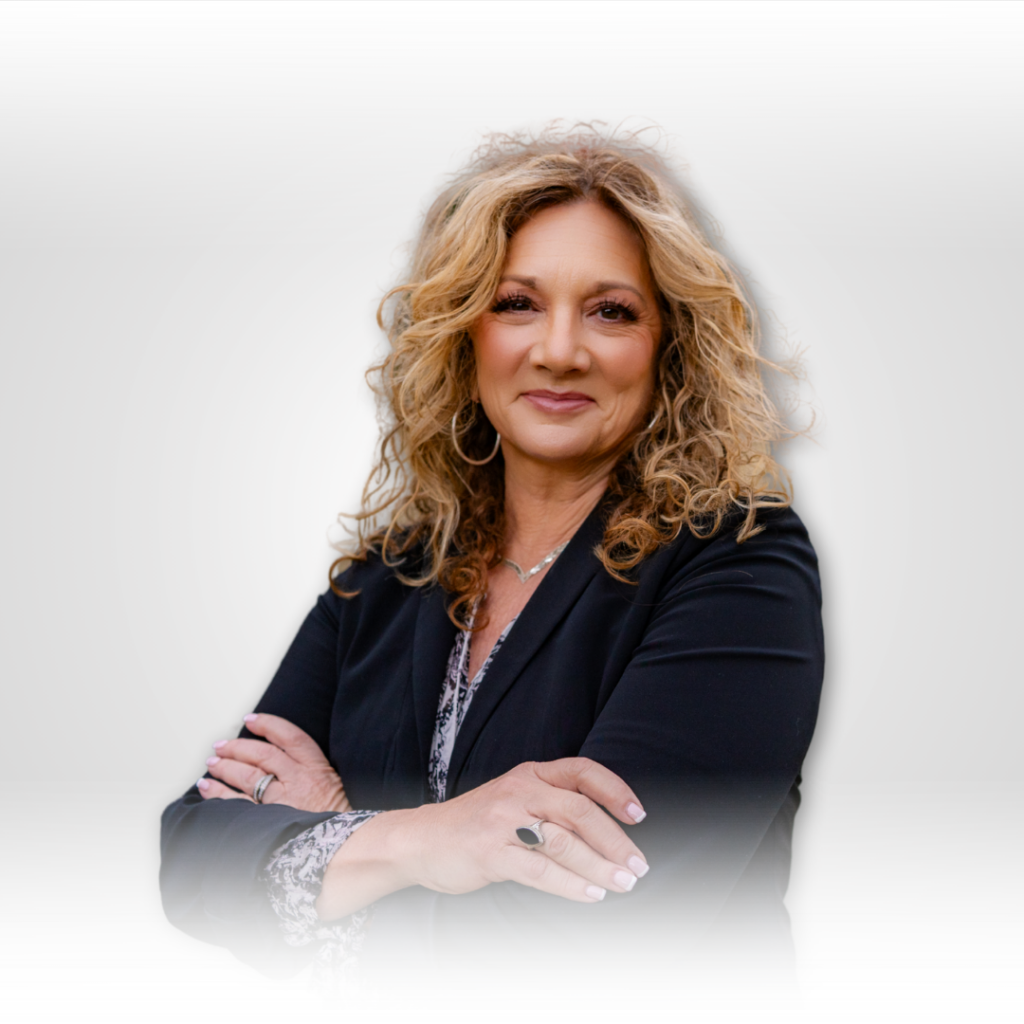
“Sometimes the greatest healing is learning not to abandon yourself while loving others deeply.”
— Kristine Genovese, Creator of the Soul Intelligence Method
About the Author
Kristine Genovese founded the Soul Intelligence® Method, a transformative healing system designed to clear energetic blocks for lasting mental, emotional, and physical well-being. As an author, spiritual gangster, and speaker, Kristine empowers others to realign with their highest self and live a soul-led life of purpose and freedom. Learn more at her website.
- Connect with Kristine Genovese
- More articles from our Executive Contributor, Kristine Genovese
