


Caregiving in America: The Silent System Holding Us Together. According to the Caregiving in the U.S. 2025 report,¹ nearly 63 million American adults—almost one in four—now provide ongoing care to a loved one with a medical condition or disability. Just ten years ago, that figure was 44 million. Over the course of one decade, caregiving has evolved from a widespread reality to a near-universal experience in American households.
Of today’s 63 million caregivers, 59 million care for an adult facing complex health challenges. And this group is diverse: parents, spouses, siblings, friends, neighbors, and even children—spanning every age, race, ethnicity, and income level. They assist with basic mobility and personal care, coordinate health services, manage finances, and perform complex medical tasks once expected only of trained professionals.
Former First Lady Rosalynn Carter captured the inevitability of this reality in her testimony before the Senate Special Committee on Aging: “There are only four kinds of people in the world—those who have been caregivers, those who are currently caregivers, those who will be caregivers, and those who will need caregivers.” The question is not if you will experience caregiving in your lifetime, but when and in what capacity.
January’s Quiet Caregiving Surge
For many families, the reality intensifies in January. As the holiday season draws to a close, caregivers are often faced with challenging tasks: filing long-term care insurance claims, researching facilities for a loved one, coordinating prescription refills, or spending hours on hold with service and support programs. Claims departments consistently report a post-holiday surge as families confront the care needs that became undeniable during holiday gatherings.
It is a time charged with emotion. Families must balance logistics with love and financial burdens with personal sacrifices. And yet, despite its prevalence, caregiving is still rarely acknowledged for what it truly is: a life-altering role.
The “Shadow Caregiving System”
In my book, Leading in the New Retirement Era: How to Lead, Adapt, and Win in an AI-Driven World, I call this the “Shadow Caregiving System.” It is the unpaid, often unrecognized labor that families provide without even labeling themselves as caregivers.
This passage from my book **(2)** describes a financial advisor’s client carrying on a conversation with his sister:
“I keep checking in on Dad—not just to be polite, but to make sure everything’s okay. I go with him to doctor’s appointments, not for the notes, but so we both understand what’s happening. I coordinate his appointments, track prescriptions, sit on hold with his insurance and Medicare, and Google every new medication. It’s already happening. And no one’s calling it what it is.”
When his sister heard this, her expression softened. “I didn’t realize you were carrying that much,” she admitted. “I thought you were just helping out where you could.”
This exchange illustrates the silent reality of caregiving. It creeps into daily life—quietly, incrementally—until one day it defines entire routines, finances, and emotional bandwidth.
The Emotional and Physical Strain
Most caregivers never introduce themselves as “caregivers.” They identify by their profession—teacher, nurse, homemaker, business owner, or manager—not by the unpaid role that consumes their days, evenings, and weekends. And yet, when asked, nearly two-thirds of caregivers report moderate to high emotional stress, while 45 percent report physical strain.
The emotional landscape is complex. Positive emotions—love, loyalty, and gratitude—exist alongside stress, exhaustion, and isolation. Caregivers carry the weight of dual responsibility: managing their own lives while safeguarding the well-being of someone they love.
Who Are Today’s Caregivers?
The image of a caregiver as an elderly spouse no longer captures the full picture. The Caregiving in the U.S. 2025 report found that the average caregiver age is 51, but more than 40 percent are between 18 and 50 years old. Many are members of the “sandwich generation,” who simultaneously raise children and care for aging parents.
Caregiving responsibilities themselves have intensified. It is no longer just “helping out.” Caregivers now handle nursing tasks, manage medications, coordinate with multiple specialists, and navigate an increasingly complex and fragmented healthcare and social services system. This level of complexity requires adaptability, resilience, and skills most never expected to acquire outside a professional setting.
The Financial Toll: Visible and Hidden
Beyond the emotional and physical costs, caregiving carries staggering financial implications. Family caregivers provide billions of hours of unpaid care annually, saving the healthcare system vast sums but straining their own resources.
The visible financial challenges include out-of-pocket spending on medications, supplies, home modifications, and transportation. But the hidden costs may be even greater. Many caregivers:
- Reduce work hours or shift to part-time employment.
- Decline promotions or career advancement opportunities.
- Exit the workforce entirely, losing wages, retirement contributions, and Social Security credits.
According to research, these career sacrifices can result in hundreds of thousands of dollars in lost lifetime earnings. Added to this are the benefits forgone when employment is reduced or ended—employer 401(k) matches, health insurance contributions, HSA funding, tuition reimbursement, stock purchase plans, and financial wellness programs.
The Gender Divide
The Fidelity Investments® American Caregivers Study 3highlights another striking reality: nearly three in four caregivers identify as women. Women are disproportionately bearing the emotional and financial weight of caregiving, often at the expense of their careers and long-term financial security.
This imbalance reflects the traditional dynamics of the American family model, but its long-term consequences are profound. For women, caregiving often translates into interrupted career trajectories, smaller retirement accounts, and increased vulnerability in later life.
The Paradox of Choice
And yet, despite the stress, the strain, and the financial challenges, more than three-quarters of caregivers say providing care was something they wanted to do, regardless of the downsides. Caregiving, at its heart, is an act of devotion. It represents the values families hold most deeply—love, responsibility, and connection—even as it tests the limits of endurance.
Preparing for the Inevitable
So, how do families prepare for what is now an almost certain life experience?
First, acknowledge caregiving for what it is: a fundamental component of America’s health and social support system. Families must map out responsibilities before a crisis strikes, clarifying who will handle finances, medical coordination, and day-to-day care. (4)
Second, your financial advisors must integrate caregiving into your planning conversations. Ignoring the caregiving question disregards one of the most significant risks to retirement security and family financial stability. Caregiving affects not only immediate cash flow but also long-term retirement savings, Social Security benefits, and legacy planning.
Third, explore support programs. Medicaid’s Home and Community-Based Services (HCBS) waivers, the Department of Veterans Affairs, and some state-based initiatives provide avenues for caregivers to receive compensation. These programs are uneven and complex, but awareness and proactive planning can make a substantial difference.
Finally, we must advocate for broader policy solutions. As caregiving becomes a defining feature of American life, public policy must evolve to reflect its central role. Paid family leave, caregiver tax credits, and expanded support programs are not luxuries—they are necessities for sustaining families and communities.
The Universal Experience
Caregiving is no longer the exception; it is the expectation. Whether you are already a caregiver, have been one, will become one, or will need one, caregiving will touch your life.
The challenge before us is to shift from silent endurance to conscious recognition, from reactive sacrifice to proactive planning. Only then can we honor the caregivers who sustain our families—and prepare ourselves for the role we are almost certain to play.
As I wrote in Leading in the New Retirement Era, caregiving is both the greatest unrecognized system in America and the most personal. It lives in the shadows, yet it shapes the very heart of how we live, age, and support one another. The question is not whether caregiving will come into your life. The question is, will you be ready?
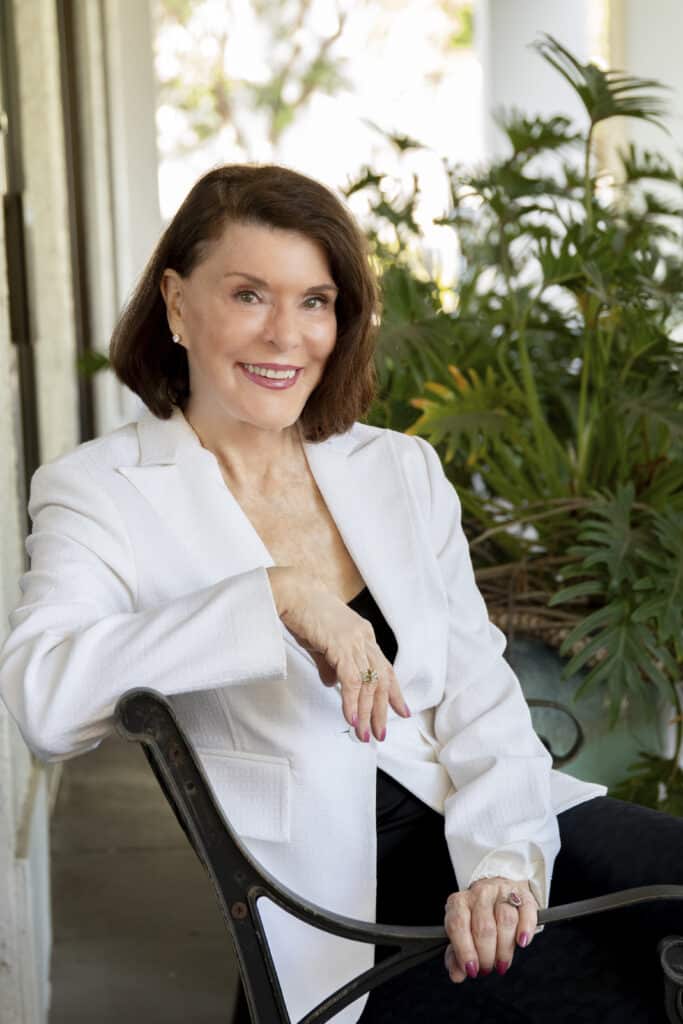
“The question is not whether caregiving will come into your life. The question is, will you be ready? ” – Carroll Golden


If you’re serious about shaping a future you actually want to live in, Leading in The New Retirement ERA isn’t a book you pick up—it’s a guide you step into. Carroll Golden hands you the keys to reinvention, resilience, and real-world leadership in a world where retirement isn’t an ending… It’s the power move of your next chapter. Crack it open, and you’ll feel that spark—the one that whispers, “This is your moment.” Go on. Claim it.
“Carroll Golden doesn’t just redefine retirement—she reimagines what’s possible. Leading in The New Retirement ERA is a bold, heart-forward roadmap for anyone ready to lead with purpose, clarity, and unstoppable confidence.” — Best Holistic Life Magazine
- Contact with Carroll Golden
- More articles from our Executive Columnist Carroll Golden
