

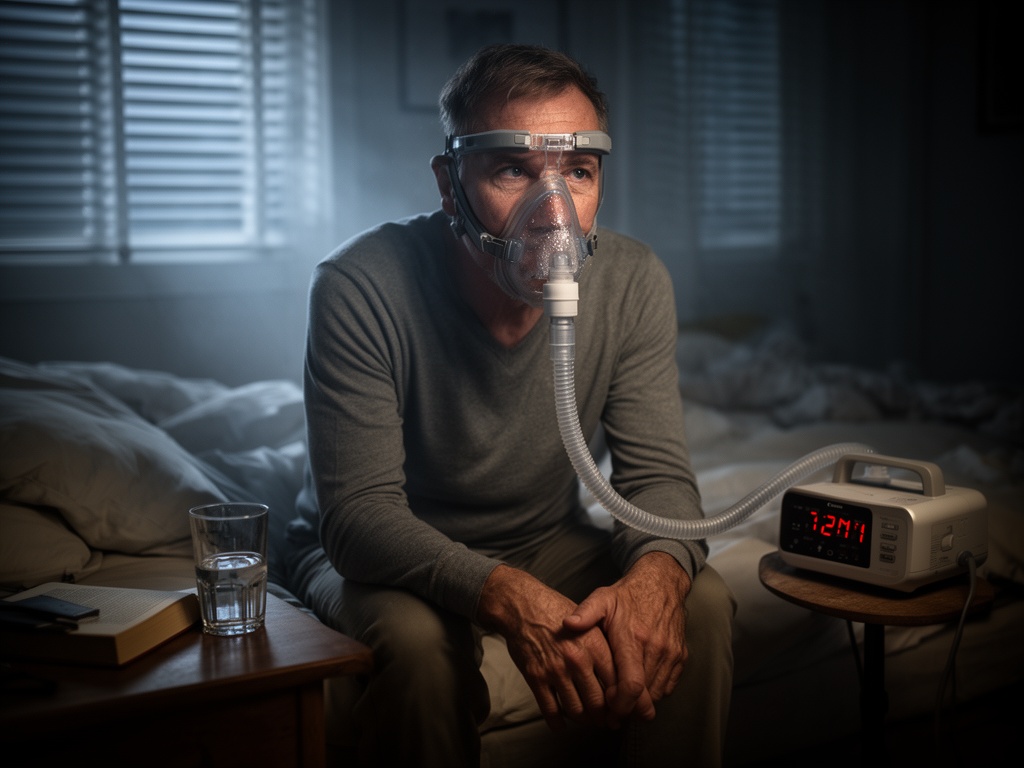
CPAP: Breathing Easier or a Nightly Struggle? – Continuous Positive Airway Pressure, commonly known as CPAP, is the most widely prescribed treatment for obstructive sleep apnea (OSA). Sleep apnea is a condition in which breathing repeatedly stops and starts during sleep, often leading to poor sleep quality, daytime fatigue, and serious long-term health risks. CPAP therapy works by delivering a steady stream of pressurized air through a mask to keep the airway open during sleep. While CPAP is highly effective, it also comes with challenges. Understanding the pros and cons of CPAP use can help patients make informed decisions and set realistic expectations.
The Pros of CPAP Use
One of the most significant benefits of CPAP therapy is its effectiveness. When used consistently and correctly, CPAP can reduce or completely eliminate apnea events during sleep. This allows oxygen levels to remain stable throughout the night, protecting vital organs such as the heart and brain.
Improved sleep quality is another significant advantage. Many CPAP users report more profound, more restful sleep once they adapt to the therapy. By preventing frequent awakenings caused by breathing interruptions, CPAP allows the body to cycle through normal sleep stages. This often leads to increased energy, better concentration, and improved mood during the day.
CPAP therapy also plays a critical role in reducing serious health risks. Untreated sleep apnea has been linked to high blood pressure, heart disease, stroke, diabetes, and irregular heart rhythms. Studies show that regular CPAP use can lower blood pressure, reduce strain on the cardiovascular system, and decrease the risk of long-term complications.
Daytime alertness and safety improve significantly with CPAP use. Excessive daytime sleepiness caused by sleep apnea increases the risk of motor vehicle accidents and workplace injuries. By improving sleep quality, CPAP helps patients stay alert, focused, and safer in daily activities.
Another advantage is that CPAP is noninvasive and drug-free. Unlike surgical treatments or medications, CPAP does not permanently alter the body or rely on chemicals. This makes it a safe, reversible option for most patients, including those with other medical conditions.
Finally, CPAP machines and masks have improved dramatically over the years. Modern devices are quieter, smaller, and more comfortable than earlier models. There are multiple mask styles available, allowing patients to find a fit that best suits their facial structure and sleep habits.
The Cons of CPAP Use
Despite its benefits, CPAP therapy can be challenging to adjust to. One of the most common complaints is discomfort. Wearing a mask on the face while sleeping can feel restrictive or unnatural, especially for new users. Some patients experience pressure points, skin irritation, or mask leaks that disrupt sleep.
Another common drawback is dryness and congestion. The pressurized air can cause dry mouth, nasal irritation, or nosebleeds, particularly in dry climates. While heated humidifiers help reduce these issues, they do not eliminate them for everyone.
CPAP noise, although significantly reduced in newer models, can still be bothersome for some users or their bed partners. Even quiet machines produce some sound, and mask leaks can create additional noise that disrupts sleep.
Compliance is one of the biggest challenges associated with CPAP therapy. For CPAP to be effective, it must be used consistently—typically every night for most of the night. Some patients struggle with wearing the device for long periods, removing it during sleep, or abandoning therapy altogether. Without consistent use, the benefits of CPAP are significantly reduced.
Travel and lifestyle limitations are another concern. CPAP machines require electricity and must be transported during overnight trips. While travel-sized machines exist, they add another layer of planning and responsibility. Camping, flying, or spontaneous travel can feel more complicated for CPAP users.
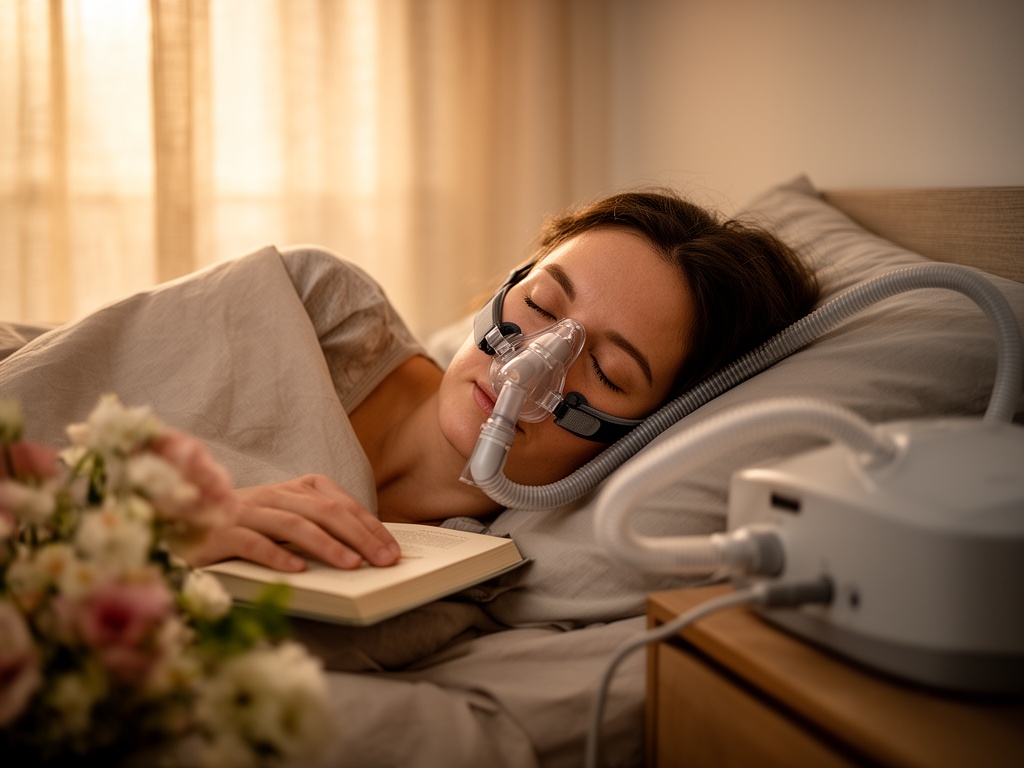
Psychological resistance can also play a role. Some patients feel self-conscious wearing a CPAP mask, particularly in new relationships. Others may associate the device with illness or aging, which can affect motivation and emotional acceptance of therapy.
Cost is another factor to consider. While insurance often covers CPAP equipment, patients may still face out-of-pocket expenses for masks, supplies, and replacements. Ongoing maintenance, such as replacing filters and tubing, adds to long-term costs.
Balancing the Pros and Cons
CPAP therapy is widely considered the gold standard treatment for moderate to severe obstructive sleep apnea because of its proven effectiveness. However, success with CPAP depends heavily on patient education, proper mask fitting, and ongoing support. Many of the disadvantages can be minimized through adjustments, such as trying different masks, using humidification, or gradually increasing usage time.
For patients who cannot tolerate CPAP, alternative treatments such as oral appliances, positional therapy, weight loss, or surgery may be considered. However, these options may not be suitable or effective for everyone.
Ultimately, CPAP therapy is a powerful tool that can dramatically improve health, sleep quality, and overall quality of life. While it requires commitment and adaptation, the long-term benefits often outweigh the challenges. For many patients, CPAP truly offers the opportunity to breathe easier—and live healthier—one night at a time.
If you or someone you know suffers from Sleep Apnea and with use of a PAP device, please contact soundsleepconsultants.com

“Sleep Your Way To Better Health.”
– Dr. Tawnie Lowther
- Connect with Dr. Tawnie Lowther
- More articles from our Executive Contributor, Dr. Tawnie Lowther
