

Honoring the Women Who Hold Everything Together.” A bold recognition of the emotional and practical load many women carry.

Invisible No More: Honoring the Women Who Hold Everything Together.” A bold recognition of the emotional and practical load many women carry.
This May, let’s honor the invisible strength of women, the ones who show up, care deeply, and carry more than most ever see.
May isn’t just a month of blooming flowers, although that’s inspiring. It’s also a month of everyday women, our unsung heroes. It’s the mother checking in on her grown children after a long shift. It’s the daughter navigating her career while quietly managing her parents’ prescriptions. It’s the woman who juggles it all, family, friends, finances, and still shows up with a smile, albeit a tired but sincere smile.
Mother’s Day gives us one official chance to say thank you. But for many women, the rest of the month is filled with caregiving that goes unseen and support that goes unspoken. This article is for them. For you. For anyone carrying the invisible weight of love.
When we talk about retirement planning, we often jump to numbers—401(k)s, investment returns, and tax brackets. But the truth is, what pulls most people off course isn’t the math. It’s life. It’s the unplanned caregiving. The time off for a child, a parent, or a partner. The career that slowed down because you had to step up. Women are 2.5 times more likely to take on caregiving responsibilities that impact their earnings, mental health, and long-term financial security. That’s not just a statistic. That’s someone you know. Maybe it’s you.
And when the pressure of financial uncertainty meets the emotional load of caregiving, something has to give. Often, it’s a woman’s peace of mind.
Financial stress is one of the top causes of anxiety in American households. When women are managing money, care, schedules, and legacy planning, it’s more than burnout. It’s systemic. That’s why May, as Mental Health Awareness Month, matters so much. It reminds us that mental health isn’t separate from planning. It’s central to it. Real planning, the kind that protects our emotional well-being, isn’t just about money. It’s about relationships, roles, and resilience.
Love is not just an emotion. It’s an action. And sometimes, the most loving thing we can do is plan. Plan to make caregiving easier on the next person. Plan to share knowledge that frees your family from confusion. Plan to pass down not just money, but clarity.
In fact, research shows that over 53 million Americans are caregivers—yet the majority don’t even identify as such. This invisible labor is part of what I have named the Shadow Caregiving SystemTM: a vast, informal network of unpaid care delivered by family members, friends, and neighbors. Most of these caregivers are women, and many are balancing this care with full-time jobs, parenting responsibilities, or their own health challenges.
What’s more, nearly 60% of caregivers say they never had a formal conversation about planning for this role. They just stepped in when needed. And while their love is unwavering, the cost, emotionally, physically, and financially, is profound. This isn’t just a quiet background role. It’s a cornerstone of family life in America. And yet, it remains largely unsupported in traditional retirement frameworks.
Let’s be honest, most women aren’t looking for applause. They’re looking for support with a dose of appreciation. They’re looking for systems that recognize the mental load they carry, the unpaid labor they perform, and the strength it takes to manage both spreadsheets and sleepless nights. Traditionally, in May, we celebrate women with flowers and chocolates, but the most powerful gift we can offer is a future that doesn’t rest solely on their shoulders.
If you’ve ever felt like you’re managing a hundred silent roles, nurse, scheduler, banker, chauffeur, volunteer, peacemaker, advocate, you’re not alone. That’s the invisible job description of the Shadow Caregiver SystemTM participant. But here’s the truth: when these roles go unrecognized, they go unsupported. And unsupported care leads to emotional exhaustion, financial setbacks, and long-term instability. That’s why recognizing and naming this labor is a form of liberation.
One of the most transformative things a family can do is create space for these roles to be shared. In my book, How Not To Pull Your Family Apart: A Practical Guide to Caregiving and Financial Stability, I describe a Care Squad. It doesn’t require money. It requires intention. It requires asking questions like: Who else knows what I know? Who would step in if I couldn’t? Who needs to be part of this planning conversation now, before the crisis, not after?

The more we name the responsibilities, the easier it becomes to distribute them. That’s what we mean by moving from silent struggle to shared clarity. Creating a Care Guide isn’t about control. It’s about compassion. It says: I love you enough not to leave this to chance. I respect you enough to include you. I trust you enough to show you what matters.
Caregiving conversations aren’t easy, but they are significant. Whether it’s a mother talking to her adult children about where important documents are kept, or a daughter learning what her father wants for his end-of-life care, these moments forge stronger bonds. And in the absence of clarity, even loving families can fracture under the weight of ambiguity.
In my latest book, Leading in the New Retirement Era, I describe what I call a Longevity Literacy Gathering™. Think of it like this: a warm, guided conversation designed to bring families together to talk about what really matters. Not just numbers, but needs. Not just wishes, but roles. Not just plans, but people. These gatherings aren’t about pressure. They’re about preparation. They create room for storytelling, for honoring the past, and for preparing the future. They allow every generation to voice what they need, what they fear, and what they hope for. That’s real intergenerational wealth: shared wisdom, shared responsibility, and shared peace.
And yes, employers play a role here, too. Companies that recognize the dual roles of working caregivers often see improved loyalty, reduced turnover, and stronger team dynamics. Celebrating working mothers in May is a wonderful gesture, but supporting them in July, October, and January is where the real transformation happens. Organizations that offer mental health support, flexibility, family leave, and caregiving-friendly benefits are leading the way. They’re not just helping women thrive, they’re creating resilient workplaces where empathy drives innovation. Retirement benefits should include more than a 401(k), hey should include clarity, conversation, and community.
And for women, whether you’re a caregiver, a mother, a daughter, or all three—it offers something even more powerful: permission. Permission to prioritize yourself. To sit down with a financial professional and say, “What happens to my plan if my role shifts?” To map out backup support. To understand the long-term impact of time out of the workforce. To create a Care Squad™—a circle of trusted people who know your wishes, your boundaries, and your goals. To talk with family members about expectations now, rather than waiting for a moment of overwhelm.
So, this May, don’t just think about retirement as an end. Think of it as a doorway. A chance to design what matters, with clarity, confidence, and care. The truth is, women face unique challenges in retirement and need tailored strategies.
Here are some things that you can do. You decide what fits your plan? Financial Strategies
• Maximize Savings: Aim to save 10–15% of your income—and if you’re over 50, take advantage of catch-up contributions that allow you to accelerate your retirement readiness. Even if that percentage feels out of reach right now, start smaller and build. Begin by trimming spending in places that no longer bring value. Cancel a subscription or app you barely use. Skip the $8 routine coffee or Friday lunch out—especially if it’s become a habit more than a joy. Redirect that money to your future self. If possible, take on an extra project or a few hours of overtime each month—think of it not as extra work, but as an investment in your long-term peace of mind. Every dollar redirected with intention becomes a building block toward freedom, flexibility, and security in retirement.
• Plan for Longevity & Health: Women typically live longer and face higher healthcare costs. Prioritize Health Savings Accounts (HSAs) and explore both long-term care insurance and non-insurance options.
• Optimize Social Security: If possible, delay claiming benefits until full retirement age, or even longer. Each year you wait past your full retirement age, your monthly benefit increases for life. For women, who tend to live longer and are more likely to spend years on their own, this larger, guaranteed monthly income can be a powerful form of protection. It helps cover rising healthcare costs, reduces pressure on personal savings, and creates a stronger financial foundation later in life, when flexibility and security matter most. Delaying isn’t always easy, but when it’s feasible, it’s one of the most effective ways to turn longevity into an advantage rather than a risk. Delaying benefits until full retirement age, or longer, increases your lifetime payouts.
• Invest for Growth: Depending on your retirement runway, keep part of your portfolio in equities to guard against inflation and outliving your savings. Consult a professional for a plan that suits your needs!
• Address Career Breaks: Strategically plan around gaps due to caregiving. Track and make up for lost retirement contributions where possible. Lifestyle & Purpose Planning
• Create Routines & Purpose: Retirement isn’t just about leaving work. As we said, think of it as a doorway to finding your rhythm in a new phase of life. For many women, retirement can come on the heels of a major change: a partner’s passing, children leaving home, or even the sudden loss of identity that came with a job title. When the day-to-day structure disappears, so can a sense of purpose. That’s why it’s crucial to plan ahead, not just financially, but emotionally. Begin exploring hobbies, volunteer roles, caregiving support, or even part-time work before you need them. Studies show that regularly engaging in 10 or more meaningful activities leads to significantly higher life satisfaction. Build a new rhythm that supports connection, curiosity, and contribution, so that retirement doesn’t feel like an ending, but like a meaningful, supported new beginning.
• Maintain Health: Good health is the foundation of a secure retirement, financially and emotionally. Women tend to live longer, which means the cost of healthcare, prescription medications, and long-term support can add up fast. But small, consistent choices now can protect your independence and your income later. Prioritize regular checkups, stay active in ways you enjoy (even a 20-minute daily walk helps), eat for energy, and don’t overlook mental well-being. Stress, anxiety, and loneliness can erode both health and hope. Think of wellness as a daily investment, not just in how long you live, but in how well you live.
• Seek Advice: You don’t have to figure this out alone. The right financial professional isn’t just a numbers person; they’re a sounding board, a strategist, and a support system. Especially for women navigating caregiving, career shifts, or complex family dynamics, having a trusted advisor can make all the difference. Look for someone who understands women’s retirement realities: career interruptions, longer lifespans, and a desire to leave a meaningful legacy. Ask questions, bring your concerns, and expect clarity, not jargon. You deserve a plan that reflects not just your finances, but your life. Pre-Retirement Adjustments
• Work Longer (If You Can): Extending your working years, full-time or part-time, can be one of the most powerful retirement strategies. Every additional year worked adds savings, boosts Social Security, and shortens the number of years you’ll need to rely on those savings. But beyond the math, continuing to work can preserve purpose, social connection, and routine. This isn’t about burnout, it’s about designing a role or rhythm that aligns with your energy and values. Whether it’s consulting, teaching, mentoring, or simply reducing hours at a job you enjoy, working longer is not just financially wise; it can be emotionally stabilizing, too.
• Reduce Debt: Retirement should feel lighter, not burdened. High-interest debt, especially credit card balances, can quietly erode your financial freedom. Start with one small win: cancel a subscription you don’t use, make one extra payment a month, or round up your payments to chip away at the balance. Every step matters. Consider using cash or debit for routine expenses to avoid new debt, and talk to a financial counselor if you’re feeling overwhelmed. The goal isn’t perfection, it’s progress. Every dollar you free up from debt is a dollar that can fund your future peace of mind.
• And emotionally? Start by naming your needs. Create a Care Squad™, your circle of support. Designate roles. Share documents. Talk about housing, health, and who knows what. Then gather your people, your partner, your adult children, your siblings—and host a Longevity Literacy Gathering™. Start with what matters most: your values. From there, the numbers become easier to plan for. Because now, they have meaning. This is how love becomes leadership. This is how emotional labor becomes financial clarity. This is how we honor caregiving, not as a sacrifice, but as a powerful form of legacy-building.
Let May be your reminder: retirement isn’t just about leaving work. It’s about leading your life with intention, support, and a plan that reflects who you are. You don’t need to have it all figured out.
You just need to take the first step. Because clarity is a gift. Love is a legacy. And peace of mind is one of the most powerful things we can offer those we care about. This May, let’s move beyond the flowers. Think of May as a moment to honor the invisible labor that keeps households, communities, and workplaces running.
Don’t just plan for a retirement as an end to something. Think of it as a doorway. A chance to design what matters. Planning is an act of love. Preparation is a form of protection. And every woman who’s carried more than her share deserves a future that reflects her wisdom, not just her sacrifices.
To every caregiver, planner, daughter, mother, and friend, you are seen. You are supported. You are not alone. May your month be filled with flowers plus the gift of caring and recognition.
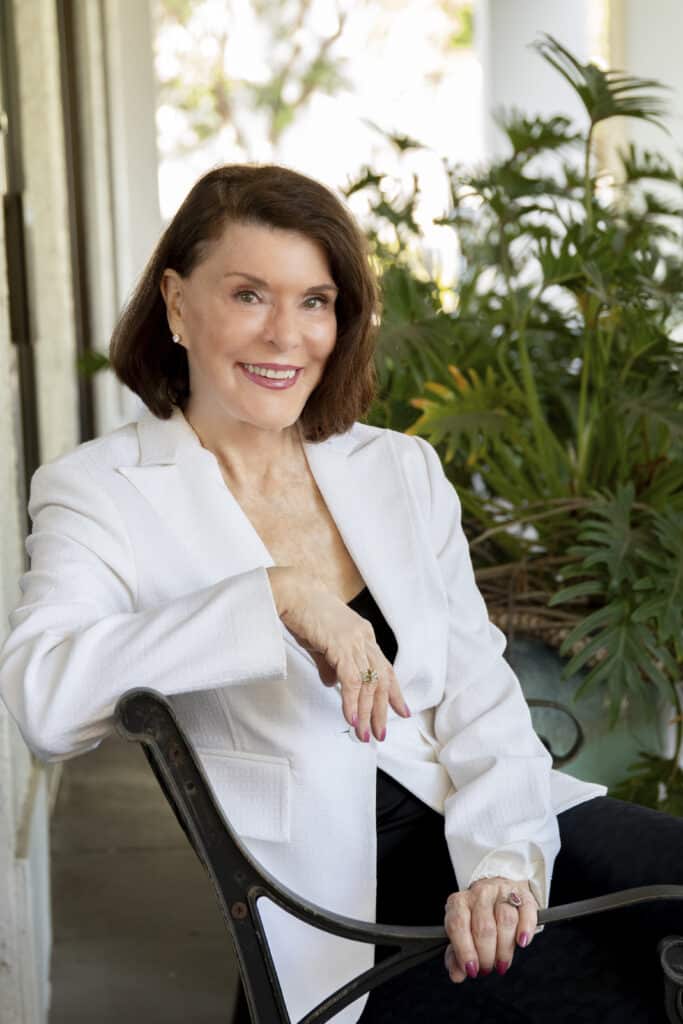
“This May, don’t just think about retirement as an end. Think of it as a doorway.”
— Carroll Golden


If you’re serious about shaping a future you actually want to live in, Leading in The New Retirement ERA isn’t a book you pick up—it’s a guide you step into. Carroll Golden hands you the keys to reinvention, resilience, and real-world leadership in a world where retirement isn’t an ending… It’s the power move of your next chapter. Crack it open, and you’ll feel that spark—the one that whispers, “This is your moment.” Go on. Claim it.
“Carroll Golden doesn’t just redefine retirement—she reimagines what’s possible. Leading in The New Retirement ERA is a bold, heart-forward roadmap for anyone ready to lead with purpose, clarity, and unstoppable confidence.” — Best Holistic Life Magazine
- Contact with Carroll Golden
- More articles from our Executive Columnist Carroll Golden