


Nightmares vs. Night Terrors: Understanding the Differences, Causes, and Treatments – Nightmares and night terrors, though often confused, are distinct sleep disturbances that affect individuals differently. While both can provoke fear and anxiety during sleep, understanding their differences, causes, and treatments is crucial for those who experience them and their loved ones.
What Are Nightmares and Night Terrors?
Nightmares are vivid and disturbing dreams that often wake the sleeper, leading to feelings of fear, anxiety, or sadness. They typically occur during the rapid eye movement (REM) stage of sleep, when most dreaming occurs. Nightmares can be triggered by various factors, including stress, anxiety, trauma, or certain medications. They tend to be remembered vividly upon waking, and individuals may find it difficult to return to sleep after experiencing one.
In contrast, night terrors, also known as sleep terrors, occur during non-REM sleep, typically during the first few hours of the night. Unlike nightmares, night terrors are characterized by sudden awakenings accompanied by intense fear, screaming, and physical manifestations such as sweating or a racing heart. During a night terror, the individual may appear to be awake but is actually still in a sleep state and often has no recollection of the episode upon waking. Night terrors are more common in children but can also affect adults.
Key Differences Between Nightmares and Night Terrors
Sleep Stage:
- Nightmares occur during REM sleep, typically later in the night.
- Night Terrors occur during non-REM sleep, usually in the first third of the night.
Awareness:
Individuals who experience nightmares are usually aware of their surroundings upon waking and often recall the dream in detail.
Those who experience night terrors may appear awake and in distress, but they are not fully conscious and usually do not remember the episode.
Symptoms:
Nightmares are associated with feelings of fear, anxiety, or sadness and may lead to difficulty returning to sleep.
Night Terrors involve intense fear, screaming, confusion, rapid heartbeat, and physical agitation, and the person may take time to calm down after the episode.
Prevalence:
Nightmares can occur at any age but are especially common in children and are often linked to stress or anxiety.
Night Terrors are most common in children aged 3 to 12 and tend to decrease as they grow older. However, they can also occur in adults, often linked to stress or sleep deprivation.
Causes of Nightmares and Night Terrors
Nightmares can be caused by a variety of factors, including:
Stress and Anxiety: Daily stressors, anxiety disorders, and traumatic events can trigger nightmares.
Medications:
Certain medications, particularly those affecting the brain, can lead to vivid dreams and nightmares.
Sleep Disorders:
Conditions such as sleep apnea or restless leg syndrome can disrupt sleep and contribute to nightmares.
Substance Use:
Alcohol and drug use or withdrawal can increase the frequency of nightmares.
Night Terrors, on the other hand, are often linked to:
Sleep Deprivation:
Lack of sleep can trigger night terrors in both children and adults.
Fever:
In children, high fevers can lead to night terrors.
Stress and Anxiety:
Similar to nightmares, stress and anxiety can also be contributing factors.
Genetics:
There is evidence to suggest that night terrors may run in families, indicating a potential genetic predisposition.
Treatment Options
Understanding the causes of nightmares and night terrors is crucial for effective treatment. While both conditions can be distressing, there are strategies to manage and alleviate their occurrences.
Treatments for Nightmares
Cognitive Behavioral Therapy (CBT): CBT, particularly imagery rehearsal therapy, can help individuals reshape the narrative of their nightmares, reducing their frequency and intensity.
Stress Management: Techniques such as mindfulness, meditation, and relaxation exercises can help reduce anxiety and stress, which may, in turn, decrease nightmares.
Sleep Hygiene: Maintaining a regular sleep schedule, creating a calming bedtime routine, and ensuring a comfortable sleep environment can improve sleep quality and reduce nightmares.
Medication: In some cases, doctors may prescribe medications to help with nightmares, especially if they are linked to post-traumatic stress disorder (PTSD) or severe anxiety.
Treatments for Night Terrors
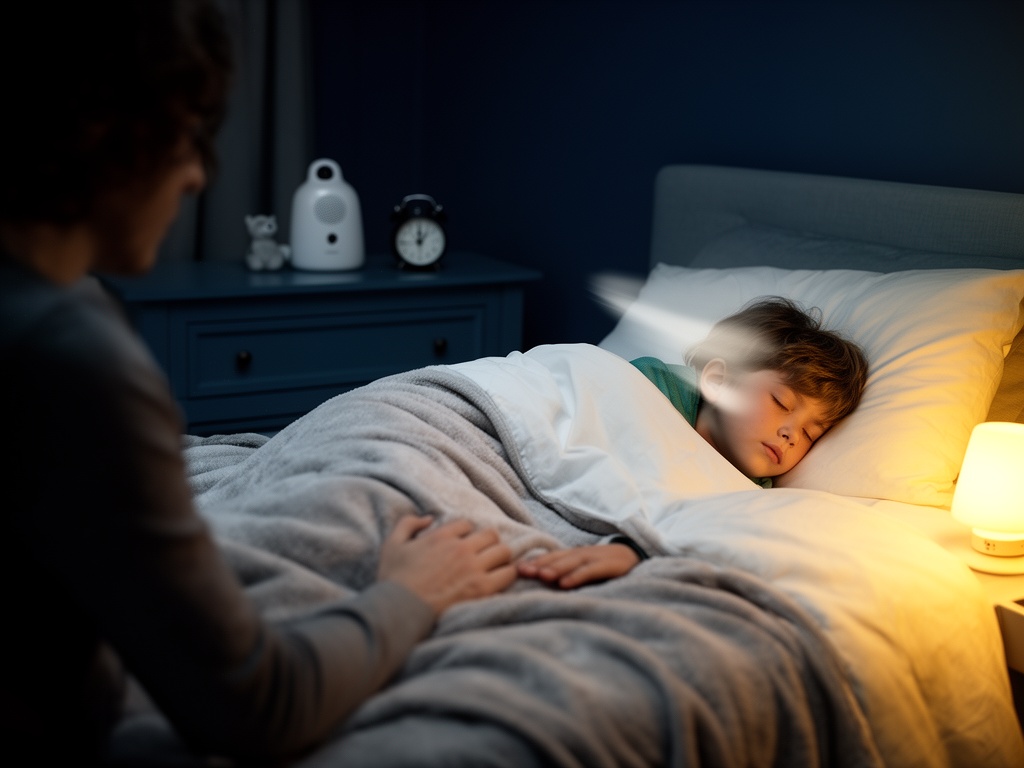
Ensure Safety: During a night terror episode, it’s essential to ensure the individual is safe and cannot injure themselves. Gently guiding them back to bed without waking them is often the best approach.
Sleep Schedule: Maintaining a consistent sleep schedule and ensuring adequate sleep can help reduce the occurrence of night terrors.
Stress Reduction: Similar to nightmares, reducing stress through relaxation techniques or counseling can be beneficial.
Medical Evaluation: If night terrors are frequent or severe, it’s essential to consult a healthcare professional for further evaluation and potential treatment options.
Conclusion:
Nightmares and night terrors are common sleep disturbances that can affect individuals of all ages. Understanding their differences, causes, and treatment options is essential for those affected and their loved ones. While both can be distressing, effective management strategies can help reduce their occurrence and provide relief for those who experience them. If nightmares or night terrors significantly disrupt sleep or daily life, seeking professional help is crucial in finding the most appropriate treatment.
If you or someone you know may suffer from nightmares or night terrors, please schedule a consultation at soundsleepconsultants.com

“Sleep Your Way To Better Health.”
– Dr. Tawnie Lowther
- Connect with Dr. Tawnie Lowther
- More articles from our Executive Contributor, Dr. Tawnie Lowther

