

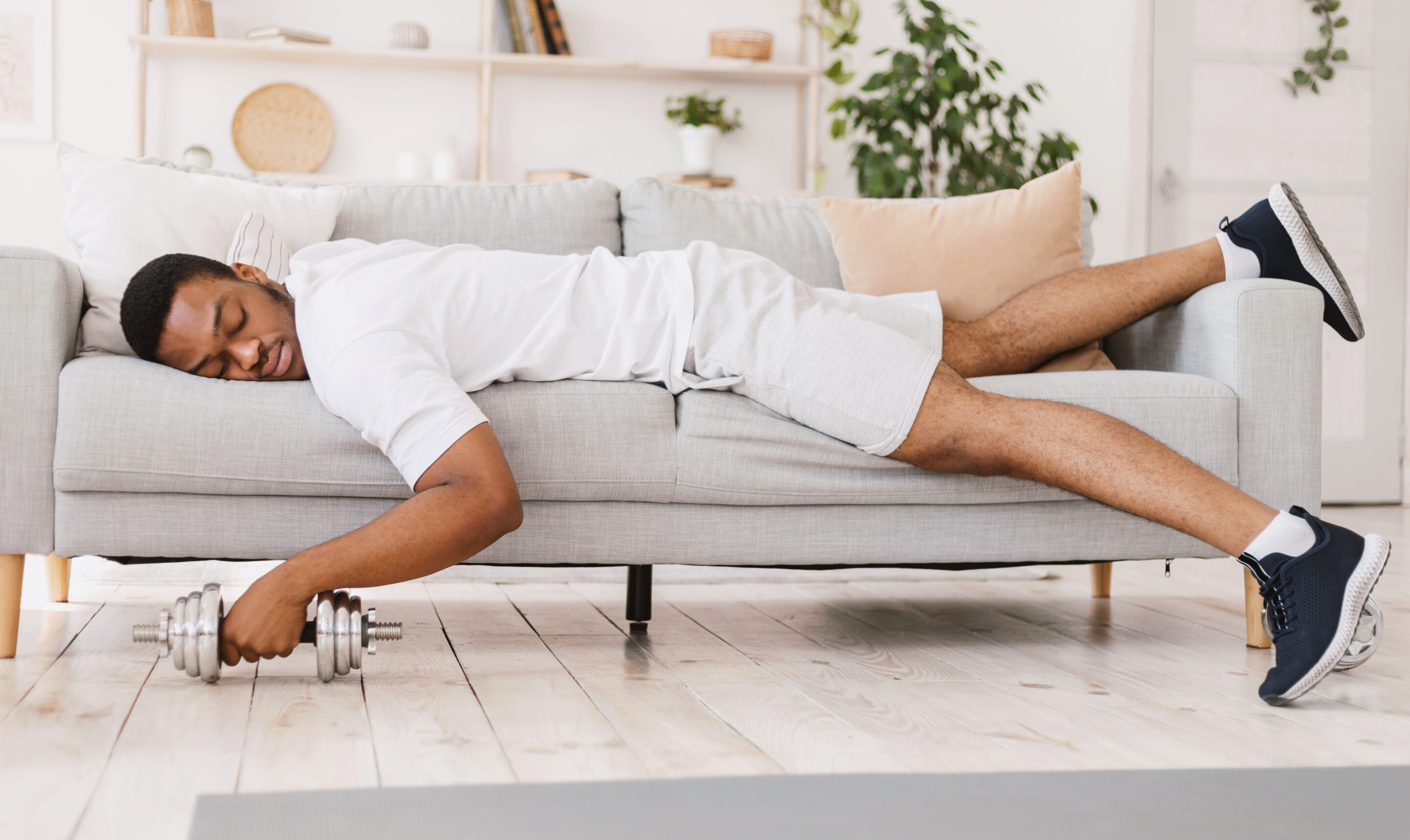
Stronger Days, Deeper Nights: How Fitness Unlocks Better Sleep
In today’s fast-paced world, quality sleep can feel like a luxury rather than a necessity. Yet sleep is one of the most critical pillars of overall health, just as important as nutrition and exercise. What many people don’t realize, however, is that fitness doesn’t just improve how you look or feel during the day—it can dramatically transform how well you sleep at night, setting the stage for better physical performance, mental clarity, and long-term wellness.
The Science Behind Sleep and Movement
Sleep is not simply “downtime” for the body. It is an active, restorative process that supports brain function, immune health, emotional regulation, and physical recovery. Regular physical activity plays a direct role in enhancing these processes by helping regulate your internal clock, also known as the circadian rhythm.
When you engage in regular exercise, your body becomes more efficient at transitioning between sleep stages—particularly deep sleep, which is the most restorative phase. Deep sleep is when the body repairs muscles and releases growth hormones. The more time you spend in this stage, the more refreshed and alert you feel when you wake up.
Falling Asleep Faster and Staying Asleep Longer
One of the most immediate benefits of regular fitness is the ability to fall asleep more quickly. Exercise increases energy expenditure, meaning your body naturally seeks recovery through sleep. This can help reduce the time it takes to drift off—a common struggle for many people.
Physical activity also decreases nighttime awakenings.
People who exercise regularly tend to experience longer, uninterrupted sleep cycles, leading to better overall sleep quality. Whether it’s a brisk walk, strength training, or yoga, consistent movement can help your body settle into a more stable and restorative sleep pattern, making mornings feel less groggy and days more productive.

Stress Reduction and Mental Clarity
Stress and anxiety are among the leading causes of poor sleep. Exercise acts as a powerful stress reliever by reducing levels of cortisol, the body’s primary stress hormone, while increasing endorphins—chemicals that promote feelings of happiness and relaxation.
Regulating Your Body Clock
Your circadian rhythm, which governs your natural sleep-wake cycle, is influenced by external cues like light exposure and daily activity. Regular exercise helps reinforce this rhythm, signaling to your body when it’s time to be awake and when it’s time to wind down.
Morning or early afternoon workouts are especially beneficial, as they help anchor your body’s natural sleep-wake cycle. Even moderate activity performed consistently can lead to more predictable sleep patterns, ensuring your body is ready to rest when the lights go out.
Timing Matters
While exercise is beneficial, timing can influence how it impacts your sleep. For some individuals, intense workouts too close to bedtime may increase alertness and make it harder to fall asleep due to elevated heart rate, body temperature, and adrenaline levels.
That said, the effect varies from person to person. Some people find that evening workouts actually help them unwind. The best approach is to pay attention to how your body responds and adjust your routine accordingly.

Long-Term Benefits for Sleep Disorders
Regular fitness can also play a role in managing sleep disorders such as insomnia and mild sleep apnea. Studies show that people who incorporate consistent physical activity into their routine often experience fewer symptoms and improved sleep efficiency over time.
Exercise also supports weight management, a key factor in conditions like sleep apnea. By improving cardiovascular health and reducing excess weight, fitness contributes to better breathing patterns during sleep, reducing the risk of nighttime disruptions.
The Bottom Line
Fitness and sleep are deeply interconnected. When you move your body regularly, you’re not just improving your physical health—you’re setting the stage for deeper, more restorative sleep. In turn, better sleep enhances your energy, focus, and motivation to stay active, creating a powerful cycle of well-being.
If you’re struggling with restless nights, the solution might not be found in your bedroom but in your daily movement. By making fitness a consistent part of your life, you can unlock one of the most natural and effective ways to sleep better and live better.
Expert Insight: Grant Bollin on Sleep and Performance
Grant Bollin is a PGA Class A professional and Director of Fitness, Wellness, and Sports at Desert Horizons Country Club. With a background in competitive athletics and applied kinesiology, he specializes in golf fitness and holistic performance training. His approach focuses on identifying muscle imbalances, improving movement efficiency, and enhancing recovery to directly impact the golf swing and overall performance. By combining strength training, mobility work, and hands-on manual stretch therapy, Grant helps golfers and active adults move better, reduce pain, and build sustainable habits that support long-term performance and quality of life.
The Sound Sleep Consultants team had the privilege of speaking with Grant Bollin to gain insight into the connection between sleep and performance.
Q: Do you see a link between poor sleep and your clients’ performance?
A: Bollin: “Absolutely. Nothing impacts performance quite like the quality of your sleep. When the brain isn’t well-rested, it doesn’t get the oxygen it needs, which ultimately decreases overall drive and performance.”
Q: Have you noticed differences in muscle recovery or performance when clients improve their sleep alongside exercise?
A: Bollin: “Yes. Clients who aren’t sleeping well tend to drag, and it’s often the first thing I ask about because they rarely bring it up themselves. Once sleep improves, so does their energy and recovery.”
Q: Why is quality sleep so important for improving fitness?
A: Bollin: “If the brain works, the body follows. Exercise is far more mental than people realize, and a lack of sleep can have a profound impact on both performance and the ability to retain new techniques.”
By combining the science of sleep with the expertise of fitness professionals like Grant Bollin, it becomes clear: improving sleep isn’t just about rest—it’s about enhancing performance, energy, and quality of life. Movement today paves the way for stronger days and deeper nights tomorrow.

“Sleep Your Way To Better Health.”
– Dr. Tawnie Lowther
- Connect with Dr. Tawnie Lowther
- More articles from our Executive Contributor, Dr. Tawnie Lowther

