

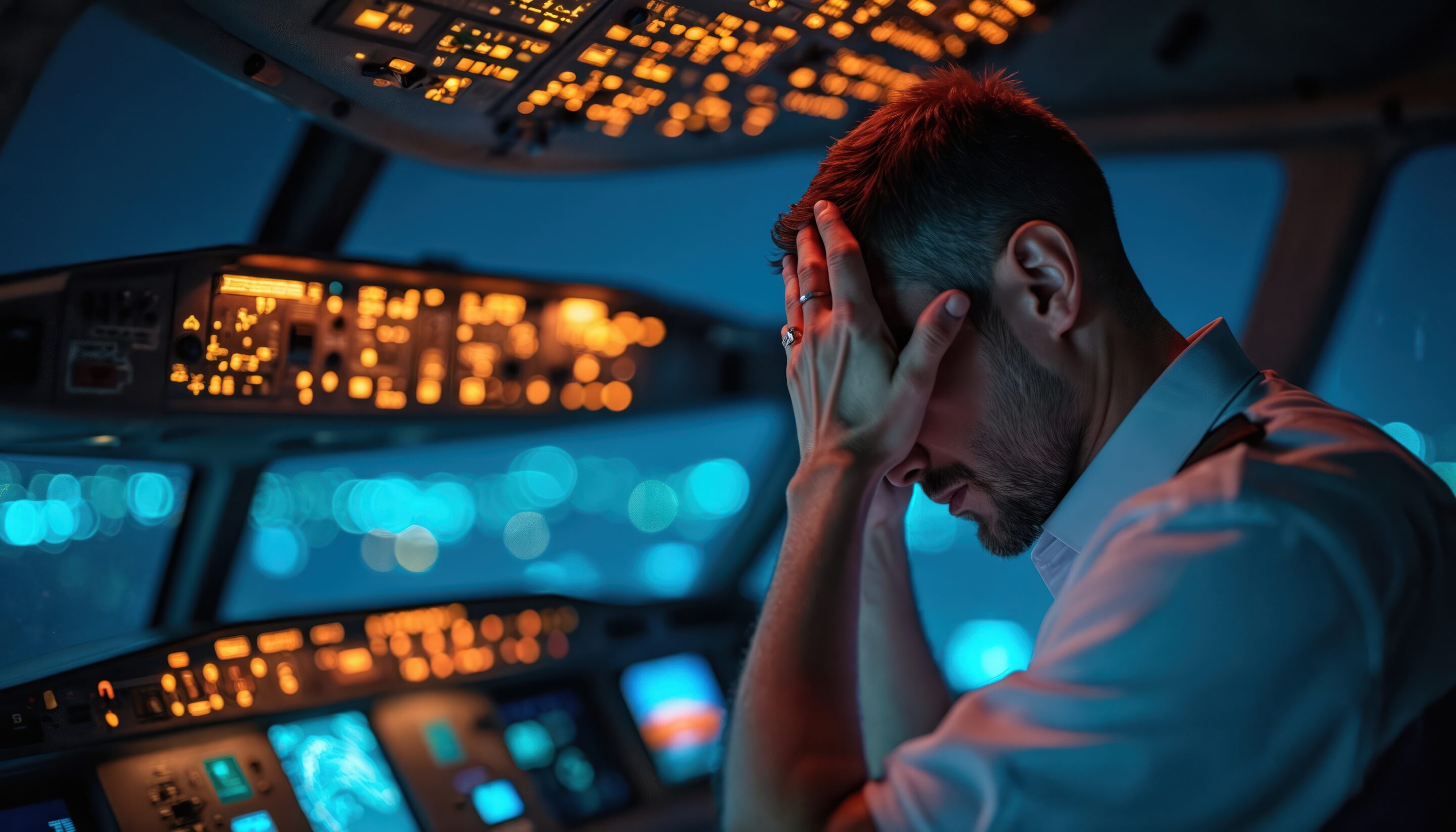
The Critical Importance of Sleep Hygiene for Pilots: Addressing an Aviation Epidemic, with Dr. William Page
Adequate, restorative sleep is fundamental to human performance, and for pilots—whose decisions directly affect flight safety—sleep hygiene is a professional obligation, not a personal choice. Sleep hygiene encompasses the habits and environmental practices that support consistent, high-quality sleep. In aviation, maintaining excellent sleep hygiene is a critical safety requirement.
Modern flight operations place significant strain on the body and mind. Early departures, late arrivals, long duty days, irregular schedules, reserve assignments, and frequent time-zone changes routinely disrupt the circadian rhythm, the body’s internal clock that governs alertness and cognitive function. Repeated disruption leads to cumulative sleep debt, reduced alertness, and impaired judgment—often without immediate awareness.
Fatigue degrades reaction time, situational awareness, and decision-making, with effects comparable to alcohol impairment. One of the most serious risks is microsleep—brief, involuntary lapses in attention that can occur without warning, particularly during low-workload phases of flight. Even seconds of inattention during critical phases can have severe consequences.
Poor sleep also affects mood and communication, undermining Crew Resource Management and cockpit teamwork. Today, chronic sleep deprivation is widespread among pilots, driven by irregular schedules, commuting, hotel environments, and family demands. Sleep disorders such as insomnia and obstructive sleep apnea further compound the problem if left untreated.
While regulations mandate rest periods, time off does not guarantee restorative sleep. Addressing pilot fatigue requires both system-level fatigue management and individual commitment to strong sleep hygiene practices.
A Dual Perspective: Medicine and Aviation
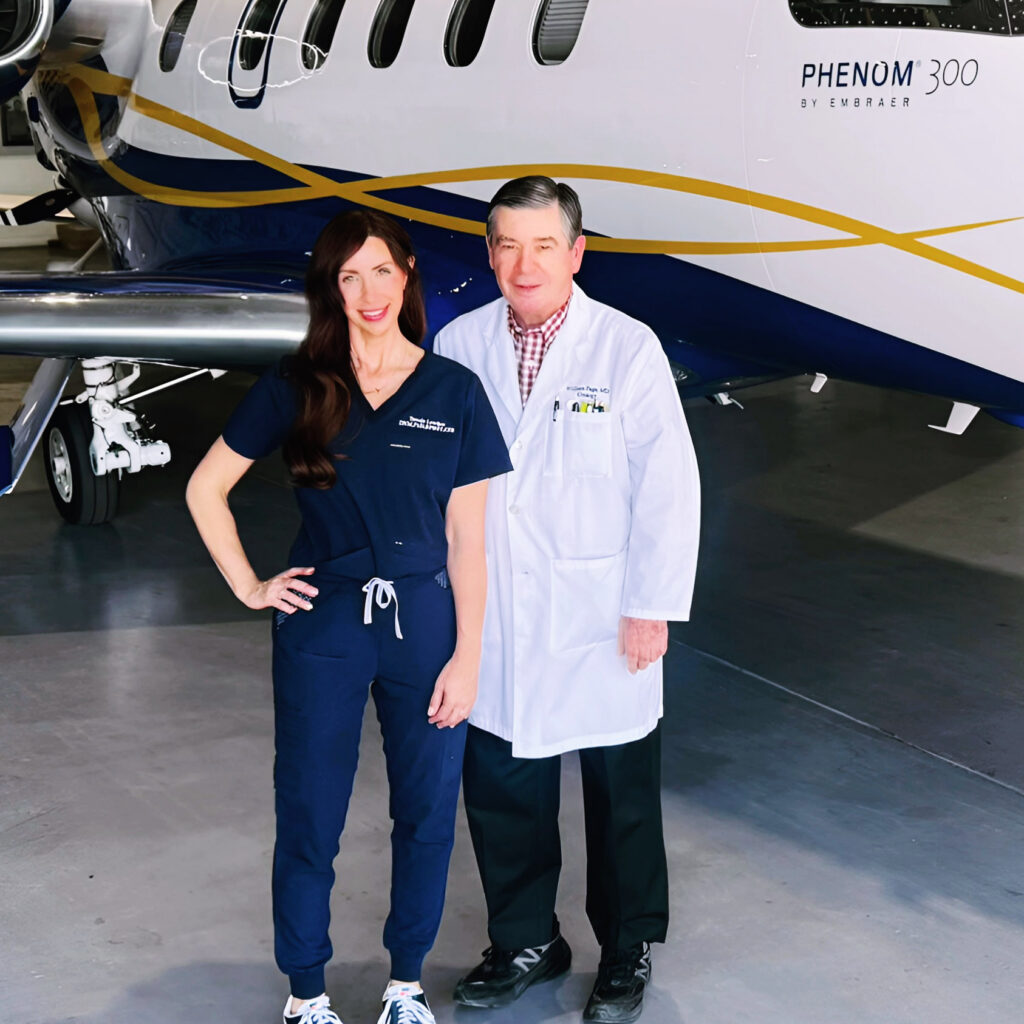
An accomplished and passionate aviator, Dr. William Page holds an Airline Transport Pilot (ATP) certificate with multi-engine ratings and has accumulated more than 4,000 flight hours. In addition to his extensive fixed-wing experience, he is also a Certified Flight Instructor–Instrument (CFII) with advanced qualifications in both single- and multi-engine aircraft as well as helicopters. His firsthand aviation experience allows him to fully understand the operational realities and pressures pilots face.
Dr. Page established his private medical practice in the Coachella Valley in 1983 and has dedicated more than 33 years to the practice of urology. Throughout his career, he has earned a reputation for clinical excellence, professionalism, and patient-centered care. By combining his medical background with aviation expertise, he has become a trusted Aviation Medical Examiner (AME) for pilots throughout the region. Since 1991, Dr. Page has brought a unique, aviation-informed perspective to aeromedical evaluations, offering practical, experience-based guidance grounded in both medicine and flight operations.
Dr. Page shares the following insights based on his experience as a physician, pilot, and Aviation Medical Examiner.
Q & A: Sleep, Fatigue, and Pilot Performance (Dr. Page answers!)
Q. How much sleep do you realistically need to maintain safe alertness and performance in the cockpit, especially with early reports of night flying?
A. Your goal should be to get 7-8 hours of UNINTERRUPTED sleep. Achieving 7-8 hours of uninterrupted sleep on a trip is likely impossible due to various factors. The commute time to the crew hotel can be lengthy, and there may also be issues with the hotel itself. So really try for 6 hours! When home, go back to 7–8 hours.
Tips: Use a white-noise machine, earplugs, an eye mask, and a regular pillow, and ensure the room temperature is comfortable. For men over 50, it is important to double void and control fluid intake before bedtime. Additionally, consider saline nasal irrigation if you have difficulty breathing through your nose (use ONLY distilled water).
Q. What signs of fatigue or poor sleep should we be paying attention to that could affect our judgment or reaction time when flying?
A. Signs of fatigue: “Brian fog/nodding off when driving/sleepy when bored. Most pilots now know of the two separate crews who overflew their destinations because they were both asleep! The flight attendants had to wake to prevent a fuel-critical landing(s)! One in Hawaii and one in the Midwest.
Tip: Look up the NASA NAP on ChatGPT. Drink a reasonable amount of coffee just before you start your nap; you will wake up about 20-25 minutes later, as the caffeine begins to take effect. Look up a recent (excellent WS) article on sleep “equipment.”
Q. How do schedule changes, time-zone crossings, or irregular duty days impact our sleep health and medical certification?
A. Altered Circadian rhythm: Very difficult to manage; don’t start that type of trip with a sleep deficit! Protect your Brain!
Q. Are common sleep aids, supplements, caffeine use, or occasional alcohol affecting our sleep quality or posing a risk during flight duty?
A. You need HIGH QUALITY sleep! So avoid alcohol (bad sleep quality) / caffeine within 5 hours of planned sleep time / only take small amounts of melatonin (2 mg) when you travel. Don’t use it at home. Remember: You are expected to be ready for FULL DUTY and are being paid for it; the PAX expect the same.
Q. At what point do sleep problems, like chronic fatigue, insomnia, or possible sleep apnea, become a medical concern that we need to report or address?
A. Maintain your medical fitness! Avoid chronic fatigue by respecting your sleep during off-duty times. INSOMNIA: learn to self-hypnotize; there are apps that you can learn/use.
Sleep Apnea: get a diagnosis and treatment plan before you have adverse consequences, such as A-Fib—leading to a stroke (wear an Apple watch)! Consider an Aveo TSD (Tongue Stabilization Device) and/or a MAD (Mandibular Advancement Device) from a competent Dentist. Neck size 18 inches or waist size 40 inches—you may HAVE SLEEP APNEA! Get a home sleep test!
Conclusion
Proper sleep hygiene is essential to aviation safety, directly affecting a pilot’s alertness, judgment, and overall health. In an industry with complicated operations and tight schedules, not getting enough sleep is no longer just a personal problem; it is a safety risk for the whole system. Addressing this issue requires shared responsibility, with pilots prioritizing sleep as a core fitness-for-duty requirement and airlines and regulators supporting fatigue risk management grounded in science. A culture that values quality sleep ultimately strengthens performance and enhances safety at every phase of flight. Fits often outweigh the challenges. For many patients, CPAP truly offers the opportunity to breathe easier—and live healthier—one night at a time.

“Sleep Your Way To Better Health.”
– Dr. Tawnie Lowther
- Connect with Dr. Tawnie Lowther
- More articles from our Executive Contributor, Dr. Tawnie Lowther

