

Why Saying “Thank You” No Longer Feels Like Enough

The Gratitude Gap: Why Saying “Thank You” No Longer Feels Like Enough
November has always carried the emotional weight of reflection. The air changes. The pace softens, if only slightly. Families begin gathering around tables, calendars fill with holiday plans, and social media quietly transforms into a collage of gratitude lists, inspirational quotes, and reminders to “count your blessings.” Yet, somewhere between the sentiment and the reality, many people feel a disconnect they cannot quite name.
We are talking about gratitude more than ever before, but many people feel lonelier, more emotionally exhausted, and more disconnected from one another than they did a decade ago.
That contradiction matters.
Gratitude has become one of the most widely discussed concepts in wellness culture. Research from institutions including the University of California, Berkeley’s Greater Good Science Center and Harvard Health has consistently linked gratitude practices to improved emotional wellbeing, stronger relationships, reduced stress, and even better sleep quality. Studies have indicated that people who regularly practice gratitude often experience lower levels of anxiety and depression while reporting greater life satisfaction and emotional resilience.
The science is compelling, but there is another side to the conversation that deserves attention.
Somewhere along the way, gratitude began drifting toward performance instead of presence.
It became something we posted instead of something we practiced. Something we listed instead of something we lived.
That is the gratitude gap.
It is the space between saying we are thankful and actually making people feel valued.
Most people know this emotion intimately, even if they have never had language for it. It appears in small moments that quietly linger long after they happen. The friend who says they appreciate you but never checks in when life becomes difficult. The employee who contributes everything to a company only to feel invisible. The parent carrying the emotional weight of an entire household while hearing little acknowledgment beyond a rushed “thanks.” The veteran thanked publicly once a year while privately struggling to reconnect with civilian life, community, or a sense of purpose.
Words matter. Recognition matters. Appreciation matters. Yet humans were never designed to survive on acknowledgment alone.
We need connection.
Modern life has created a strange emotional paradox. We are more digitally connected than any previous generation, yet many people feel emotionally unseen. According to a 2024 report from the U.S. Surgeon General’s office on loneliness and social connection, isolation has become a significant public health concern, with chronic loneliness linked to increased risks of anxiety, depression, heart disease, and cognitive decline. Emotional disconnection does not simply affect feelings. It affects the nervous system, physical health, and long-term wellbeing.
This is where gratitude becomes more than a seasonal idea. It becomes a form of emotional responsibility.
Real gratitude requires presence. It asks us to slow down long enough to notice people beyond their function in our lives. It challenges us to move beyond polite acknowledgment into meaningful participation. That shift sounds simple, but in a culture built around speed, productivity, and distraction, genuine presence has become surprisingly rare.
For veterans especially, this emotional divide can feel profound.
Every November, millions of Americans express appreciation for military service. Schools hold assemblies. Businesses offer discounts. Social feeds fill with patriotic messages. While these gestures are often sincere and well-intentioned, many veterans continue to report feeling isolated after returning to civilian life. Research published through the U.S. Department of Veterans Affairs has shown that social connection plays a critical role in long-term mental and emotional health for veterans transitioning out of military service.
The issue is not that people fail to say thank you.
The issue is that many veterans, like many people, are still searching for a sense of belonging after the words fade.
That truth opens a much larger conversation about the kind of culture we are creating together.
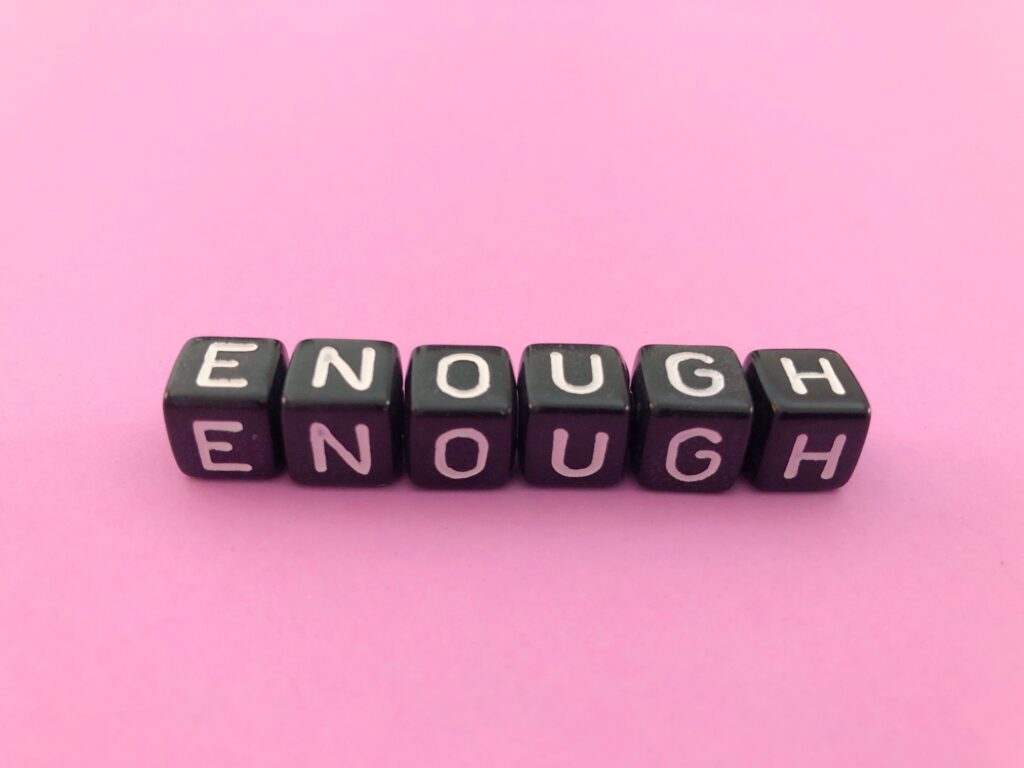
Gratitude was never meant to be transactional. It was never intended to live only inside holidays, captions, or temporary gestures. At its core, gratitude is relational. It is built by being consistent, paying attention, and caring.
It lives inside the phone call that was returned, the meal that was dropped off during a difficult season, the extra moment spent listening instead of rushing, and the willingness to ask someone how they are really doing and to stay long enough to hear the answer.
This matters because humans do not measure love, respect, or appreciation solely through language. We measure it through behavior.
Psychologists have long studied the impact of emotional validation on human wellbeing. Feeling seen and understood helps regulate stress responses, strengthen emotional security, and deepen interpersonal trust. In many ways, gratitude functions similarly. It reminds people that they matter beyond what they produce, provide, or accomplish.
That reminder has become increasingly important in a culture where exhaustion is often worn like a badge of honor.
Many people are carrying invisible emotional loads right now. Caregivers are burned out. Parents are overwhelmed. Healthcare workers continue navigating long-term stress from years of system strain. Many older adults are quietly facing loneliness after retirement, loss, or major life transitions. Young adults are entering adulthood during a time marked by economic uncertainty and digital overstimulation. Even high achievers who seem successful on the outside often say they feel emotionally disconnected underneath.
People are hungry for sincerity.
Not perfection. Not polished positivity. Sincerity.
Perhaps that is why small acts of genuine care feel unusually powerful right now. They interrupt the emotional numbness many people have unconsciously adapted to. They remind us that humanity still exists beneath the noise.
There is also growing evidence that gratitude benefits not only the recipient but also the giver. Research published by the American Psychological Association suggests that practicing gratitude can improve emotional regulation, strengthen optimism, and support healthier interpersonal relationships. Gratitude shifts attention away from chronic scarcity and toward awareness of connection, support, and meaning.
Still, authentic gratitude is not about pretending life is perfect.
Some of the most grateful people are individuals who have survived tremendous hardship. Veterans who have experienced combat often speak about gratitude in deeply grounded ways, not as toxic positivity, but as clarity. Many survivors of illness, grief, or trauma describe a similar shift. Gratitude becomes less about surface happiness and more about perspective. It becomes an awareness of what truly matters.
Time. Health. Safety. Friendship. Purpose. Peace.
Things many people overlook until they are threatened.
That perspective has the power to change the way we live.

Imagine what would happen if gratitude became less performative and more participatory. Imagine if instead of simply celebrating service once a year, communities invested more intentionally in creating spaces where veterans felt supported year-round. Imagine workplaces where appreciation showed up not only through motivational language but also through healthier cultures and meaningful respect. Imagine families putting down their phones long enough to fully engage with one another again. Imagine friendships built on consistency instead of convenience.
The gratitude gap would begin to close.
Not through grand gestures, but through ordinary moments practiced repeatedly.
This is important because people rarely remember perfect words forever. They remember how someone made them feel. They remember who stayed during difficult seasons. They remember who noticed when they were struggling. They remember who treated them like a human being instead of a role to fill.
That kind of gratitude cannot be automated.
It requires intention.
As November invites conversations around thankfulness and service, perhaps the opportunity is not simply to ask ourselves what we are grateful for, but whether the people around us actually feel our gratitude in tangible ways.
Do our loved ones feel appreciated beyond obligation?
Do our communities feel supported beyond public statements?
Do the people carrying invisible burdens feel seen?
Do our veterans feel remembered after Veterans Day passes?
Those questions matter because gratitude has never been about appearing thoughtful. It has always been about deepening connection.
In many ways, gratitude may be one of the simplest forms of healing available to us, not because it erases pain, but because it reminds people they do not have to carry life alone. In a world increasingly shaped by distraction, division, and emotional fatigue, that reminder carries extraordinary weight.
Perhaps the real evolution of gratitude is this: moving beyond words and becoming people whose presence itself feels like appreciation.
Not louder.
Not more performative.
Just more human.
“Gratitude has taught me that every challenge carries a gift, sometimes hidden, sometimes hard-earned, but always shaping me into someone stronger, wiser, and more aligned with who I am meant to become.”
– Jana Short

THE ‘YET’ FACTOR
SUCCESS DECODED: STRATEGIES TO TRANSFORM YOUR MINDSET, UNLOCK SUCCESS, AND CRAFT YOUR WINNING ROUTE.

- “Truly transform your mindset and achieve greatness with ‘The ‘Yet’ Factor.’ “Jana Short’s brilliance shines through, empowering you to overcome limitations and be open to success in ways you never imagined. This book serves as your entryway to boundless opportunities and remarkable accomplishments. – Dawna Campbell, Los Angeles Tribune Best-Selling Author.
- “The ‘Yet’ Factor will change your life. Jana’s book encompasses everything you need to know about working with your mind to achieve all you dream of in life.” – Brooke Young.

- Connect with Jana Short.
- Explore more articles authored by our Editor-in-Chief, Jana Short.

