

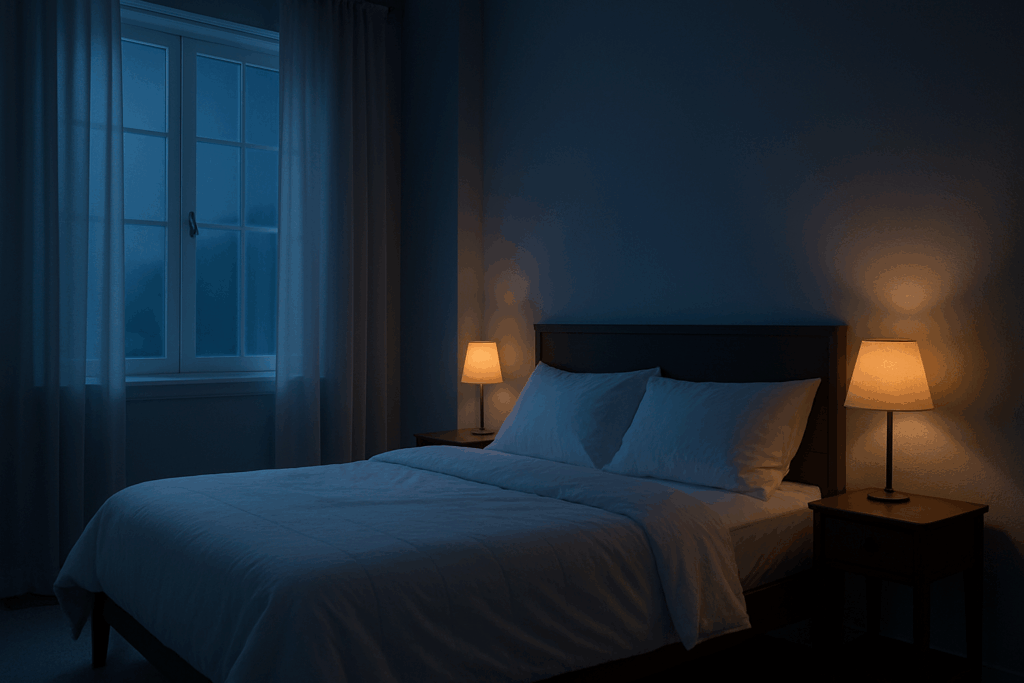
Sleep is essential for physical health, emotional balance, and mental clarity. Yet, for millions of people, restful sleep feels out of reach. Insomnia is one of the most common sleep disorders, characterized by difficulty falling asleep, staying asleep, or waking up too early and not being able to return to sleep. While occasional sleepless nights are normal, chronic insomnia can seriously affect quality of life, productivity, and long-term health.
Understanding the types of insomnia—and their causes—is key to finding the right treatment. Let’s explore the main types of insomnia, what causes them, and the evidence-based treatments available today.
1. Acute (Short-Term) Insomnia
Overview:
Acute insomnia, also known as short-term insomnia, typically lasts for a few days to a few weeks. It is often triggered by temporary stressors such as a job change, travel, illness, or emotional distress.
Common Triggers:
- Stressful life events (e.g., grief, exams, work deadlines)
- Jet lag or shift work
- Acute illness or pain
- Environmental factors (noise, temperature, light)
Symptoms:
People with acute insomnia may have difficulty falling asleep or staying asleep, often accompanied by fatigue, irritability, and reduced focus during the day.

Treatment:
- Sleep hygiene: Maintaining a regular sleep schedule, avoiding caffeine or alcohol near bedtime, and limiting screen time.
- Relaxation techniques: Deep breathing, meditation, or progressive muscle relaxation before bed.
- Short-term behavioral therapy: Cognitive Behavioral Therapy for Insomnia (CBT-I) can be adapted for temporary sleep disturbances.
- Short-term medication: If needed, a doctor may prescribe a brief course of sleep aids, though these are not recommended for long-term use.
With proper self-care and stress management, acute insomnia often resolves on its own once the underlying issue passes.
2. Chronic Insomnia
Overview:
Chronic insomnia lasts for three or more nights a week for at least three months. It may begin as acute insomnia but persists due to ongoing stress, lifestyle factors, or medical conditions.
Common Causes:
- Long-term stress or anxiety
- Depression or other mental health disorders
- Chronic pain, asthma, or gastrointestinal issues
- Poor sleep habits or irregular schedules
- Certain medications (e.g., stimulants, antidepressants, corticosteroids).
Symptoms:
Chronic insomnia leads to ongoing sleep difficulties and daytime impairment—such as low mood, memory issues, or reduced performance.
Treatment:
- Cognitive Behavioral Therapy for Insomnia (CBT-I): The gold-standard treatment for chronic insomnia. CBT-I helps people change unhelpful thoughts and behaviors around sleep, improve relaxation, and develop consistent bedtime habits.
- Stimulus control: Encouraging the bed and bedroom to be used only for sleep and intimacy, not for TV or work. Sleep restriction: Limiting time in bed to match actual sleep time, gradually increasing it as sleep efficiency improves.
- Medication (when necessary): Non-benzodiazepine sleep aids may be prescribed short-term, but long-term dependence should be avoided.
- Addressing underlying causes: Treating conditions such as anxiety, depression, or chronic pain can significantly improve sleep.
3. Sleep-Onset Insomnia
Overview:
This type refers specifically to difficulty falling asleep at the beginning of the night. People may lie awake for long periods despite feeling tired.
Possible Causes:
- Anxiety or racing thoughts
- Irregular sleep-wake schedule
- Excessive evening screen time or caffeine intake
- Restless legs syndrome
Treatment:
- Relaxation training: Techniques like guided imagery, mindfulness, or gentle stretching before bed.
- Consistent routine: Going to bed and waking up at the same time daily, even on weekends.
- Environmental changes: Dimming lights an hour before bedtime, using blackout curtains, or reducing blue light exposure.
- CBT-I: Helps target the worry and mental overactivity that often delay sleep onset.
4. Sleep-Maintenance Insomnia

Overview:
People with this form of insomnia fall asleep easily but wake frequently during the night or too early in the morning. It’s especially common in older adults.
Common Causes:
- Stress or anxiety
- Sleep apnea or other breathing disorders
- Medical conditions causing pain or nocturia (frequent urination at night)
- Alcohol or nicotine use close to bedtime
Treatment:
- Sleep environment adjustments: Ensure the bedroom is quiet, dark, and cool.
- Avoid stimulants and alcohol: Both can fragment sleep cycles.
- Medical evaluation: Identifying and treating sleep apnea, reflux, or prostate issues.
- Behavioral therapy: CBT-I and relaxation training can reduce nighttime awakenings.
5. Comorbid (Secondary) Insomnia
Overview:
Comorbid insomnia occurs alongside another medical or psychological condition, such as depression, chronic pain, or neurological disorders. It’s often a symptom of the underlying issue rather than an independent disorder.
Examples:
- Depression and anxiety disorders
- Chronic pain or arthritis
- Neurological diseases (e.g., Parkinson’s, Alzheimer’s)
- Hormonal changes (e.g., menopause, thyroid disorders)
Treatment:
- Treating the underlying condition: For instance, improving pain control or addressing anxiety can improve sleep.
- CBT-I: Proven effective even when insomnia is secondary to another condition.
- Lifestyle adjustments: Gentle evening exercise, limiting naps, and optimizing the sleep environment.
- Medication review: Some medications for other conditions may worsen insomnia and can be adjusted under medical guidance.
6. Behavioral Insomnia of Childhood
Overview:
Children can also experience insomnia, often due to inconsistent bedtime routines, anxiety, or learned sleep associations (such as needing a parent present to fall asleep).
Treatment:
- Consistent bedtime routine: Establishing calming pre-sleep rituals.
- Positive reinforcement: Rewarding independent sleep behaviors.
- Parent training: Teaching caregivers how to respond consistently to nighttime awakenings.
Holistic and Lifestyle Treatments for All Types
While treatment depends on the type and cause, several lifestyle strategies benefit almost everyone with insomnia:
Regular physical activity: Moderate exercise earlier in the day can improve sleep quality. Balanced diet: Avoid heavy meals, caffeine, and alcohol before bed.
Mind-body therapies: Yoga, meditation, and biofeedback can reduce stress and promote relaxation.
Consistent schedule: Going to bed and waking up at the same time helps regulate the body’s internal clock.
When to Seek Professional Help
If sleep problems persist for more than a few weeks or significantly affect daytime functioning, it’s important to consult a sleep specialist or healthcare provider. A thorough evaluation can identify medical or psychological factors contributing to insomnia and ensure the right treatment plan is in place.
The Bottom Line:
Insomnia is not one-size-fits-all—it varies in cause, duration, and severity. Whether it’s short-term stress-related insomnia or a chronic pattern linked to other health issues, effective treatments are available. With the right approach—especially evidence-based therapies like CBT-I—most people can reclaim restful, restorative sleep and enjoy better overall health.

“Sleep is not a luxury — it’s your body’s reset button. When you honor rest, you restore balance, rebuild strength, and return to life with clarity and calm.” — Dr. Tawnie Lowther
- Connect with Dr. Tawnie Lowther
- More articles from our Executive Contributor, Dr. Tawnie Lowther
